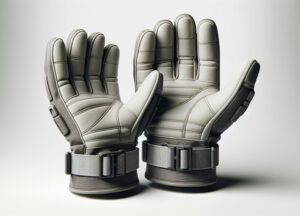




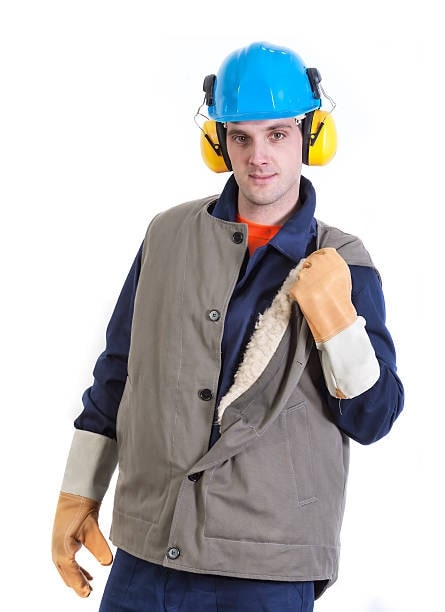
In the intricate realm of sheet metal work, where precision meets potential hazards, the role of cut-resistant gloves takes center stage. These gloves emerge as indispensable tools, offering a seamless blend of protection and precision. This exploration delves into the distinctive features and considerations that position cut-resistant gloves for sheet metal work as essential gear in environments where the risk of cuts is an ongoing concern.
Precision in Metalwork: Navigating the Excellence of Cut-Resistant Gloves for Sheet Metal Work
Metallurgical Shield: Materials Forged for Cut Resistance
At the core of cut-resistant gloves for sheet metal work lies a metallurgical shield of materials meticulously chosen for their exceptional cut resistance. High-performance fibers such as Kevlar, Dyneema, or Spectra are intricately woven into the fabric, creating a robust barrier against sharp edges and metal shards. This ensures not only protection against cuts but also durability, essential for withstanding the abrasive nature of sheet metal tasks.
Precision Engineering: Crafting Gloves for Uncompromised Dexterity
The effectiveness of cut-resistant gloves for sheet metal work hinges on precision engineering that prioritizes both protection and dexterity. These gloves often feature a close-fit design that allows workers to handle intricate tasks with precision. The balance between cut resistance and dexterity ensures that workers can navigate the challenges of sheet metal work without compromising safety or precision.
Graded Cut Protection: Tailoring Solutions to the Metalworking Spectrum
Cut-resistant gloves for sheet metal work come with graded protection levels, aligning with the diverse tasks and hazards within the metalworking spectrum. Whether handling sharp metal edges, operating machinery, or engaging in detailed assembly work, workers can choose gloves with the right level of cut resistance. This task-specific approach ensures that the gloves not only shield hands from cuts but also cater to the nuanced requirements of different sheet metal environments.
Beyond Cut Resistance: Comprehensive Defense Features
The best cut-resistant gloves for sheet metal work go beyond providing protection solely against cuts. Many gloves in this category boast additional features enhancing overall functionality. Some gloves feature impact resistance for added protection in metalworking scenarios involving heavy tools or machinery. Others may have enhanced grip surfaces, ensuring a secure hold on slippery metal surfaces. These multifunctional features contribute to the overall effectiveness of cut-resistant gloves in dynamic sheet metal work settings.
Comfort in Action: Ergonomic Fit for Extended Metalworking Sessions
Recognizing the importance of comfort during extended wear, cut-resistant gloves for sheet metal work are crafted with ergonomic design principles. These gloves ensure a snug fit that doesn’t compromise flexibility or comfort, even during prolonged use. The ergonomic design enhances precision and control, allowing workers to tackle sheet metal tasks with ease. It ensures that the gloves are not just protective gear but also a comfortable companion for enduring metalworking sessions.
Unveiling the Shield: Demystifying the Effectiveness of Cut-Resistant Gloves
In the realm of occupational safety, where the risk of cuts looms large, cut-resistant gloves emerge as a frontline defense against potential injuries. However, a common question often surfaces: do cut-resistant gloves work? This exploration aims to demystify the effectiveness of these gloves, delving into the features, materials, and real-world applications that make them a crucial element in hand protection.
The Science Behind Cut Resistance: Understanding Materials and Construction
Cut-resistant gloves work by employing advanced materials that can withstand the forces applied by sharp objects. High-performance fibers like Kevlar, Dyneema, and Spectra form the foundation of these gloves, creating a dense web of protection. The construction involves intricate weaving techniques that enhance the gloves’ ability to resist cuts while maintaining flexibility. This scientific approach ensures that cut-resistant gloves are not just a piece of gear but a well-engineered shield against potential hazards.
Industry Standards: An Assurance of Performance
To determine if cut-resistant gloves work effectively, industry standards play a pivotal role. Organizations such as ANSI/ISEA provide ratings that denote the level of cut resistance a glove offers. These standards offer a clear guide for selecting gloves based on the specific hazards workers face in their respective industries. Choosing gloves with higher cut resistance levels ensures optimal protection, aligning with the demands of various work environments.
Task-Specific Solutions: Tailoring Cut-Resistant Gloves to Varied Environments
Cut-resistant gloves are designed to cater to a spectrum of tasks and industries, acknowledging that different environments pose unique challenges. From handling sharp objects to working with machinery or performing intricate assembly tasks, these gloves offer task-specific solutions. This versatility ensures that workers have the right level of protection without compromising dexterity. The effectiveness of cut-resistant gloves is thus magnified when they are tailored to the specific hazards of the job at hand.
Practical Application: From Laboratories to the Workplace
While the science behind cut-resistant gloves is crucial, their true test lies in practical application. These gloves have proven their effectiveness in real-world scenarios, preventing countless injuries in industries ranging from manufacturing to construction. The key is not just in the materials but in how well these materials are crafted into gloves that can withstand the dynamic challenges of diverse workplaces.
The Importance of Proper Fit: Enhancing Performance and Comfort
Cut-resistant gloves must not only provide protection but also offer a proper fit. A glove that fits well enhances performance and ensures that the protection is not compromised. An ergonomic design that allows for flexibility and control is crucial. Workers can navigate their responsibilities with ease, knowing their hands are shielded by gloves that not only work in preventing cuts but also offer comfort during extended wear.
Winter Warriors: The Unseen Heroes in Cut-Resistant Winter Work Gloves
In the frosty landscapes of winter, where cold weather meets the challenges of various industries, the role of cut-resistant winter work gloves takes center stage. These gloves are not just a shield against the bitter cold; they also provide a robust defense against the hazards of cuts, making them indispensable gear in environments where both weather and sharp objects pose continuous threats.
Cold-Defying Engineering: Materials Forged for Winter Resilience
Cut-resistant winter work gloves go beyond the standard, incorporating materials engineered to withstand the biting cold. Innovative fabrics like Thinsulate, combined with high-performance fibers such as Kevlar or Dyneema, create a dynamic synergy. This synergy not only ensures protection against sharp objects but also guarantees insulation against the winter chill. Workers can navigate their tasks in cold environments with the confidence that their hands are shielded by gloves designed for the dual challenges of winter and cut hazards.
Dual-Purpose Mastery: Balancing Cut Resistance and Thermal Comfort
The effectiveness of cut-resistant winter work gloves lies in their ability to balance cut resistance with thermal comfort. These gloves feature a multilayered construction that provides a robust defense against cuts while incorporating insulation layers to keep hands warm. The balance ensures that workers can perform tasks with precision, even in freezing temperatures, without compromising safety or comfort. It’s a testament to the dual-purpose mastery of gloves designed for the challenges of winter work.
Graded Protection: Tailoring Solutions to Winter Tasks
Cut-resistant winter work gloves come with graded protection levels, catering to the varied tasks and hazards faced in winter environments. Whether handling sharp objects in a cold storage facility or performing intricate tasks outdoors in freezing temperatures, workers can choose gloves with the right level of cut resistance and thermal insulation. This task-specific approach ensures that the gloves not only shield hands from cuts but also provide the necessary warmth to combat winter’s bite.
Weather-Resistant Features: Beyond Cut Resistance
The best cut-resistant winter work gloves go beyond merely providing protection against cuts. Many gloves in this category boast weather-resistant features that enhance overall functionality. Some gloves have waterproof or water-resistant exteriors, ensuring hands stay dry even in snowy or wet conditions. Others may feature enhanced grip surfaces, allowing for secure handling of tools and equipment despite cold and potentially slippery conditions. These multifunctional features contribute to the overall effectiveness of cut-resistant gloves in dynamic winter work settings.
Comfort in the Cold: Ergonomic Design for Prolonged Wear
Recognizing the importance of comfort during extended wear in cold conditions, cut-resistant winter work gloves are crafted with ergonomic design principles. These gloves ensure a snug fit that doesn’t compromise flexibility or comfort, even during prolonged use in chilly environments. The ergonomic design enhances precision and control, allowing workers to tackle winter tasks with ease. It ensures that the gloves are not just protective gear but also a comfortable companion for enduring winter work shifts.
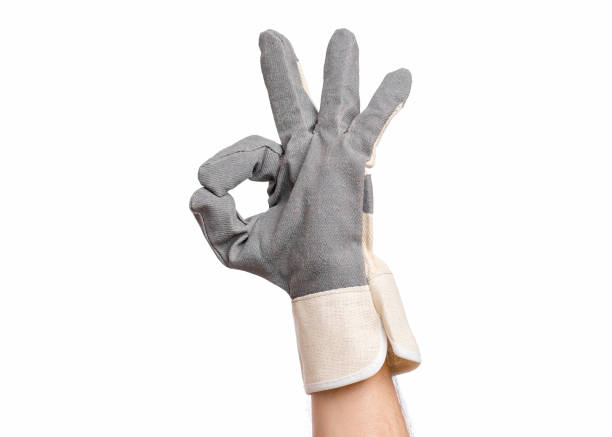 Decoding Protection: Understanding Cut-Resistant Work Gloves Levels
In the realm of occupational safety, where the risk of cuts is an ever-present concern, the concept of cut-resistant work gloves levels plays a crucial role. These levels are not mere classifications; they are a comprehensive guide to understanding the extent of protection a pair of gloves can offer. This exploration aims to decode the intricacies of cut-resistant work gloves levels, shedding light on how they contribute to the safeguarding of hands in diverse work environments.
The Spectrum of Protection: A Graded Approach to Safety
Cut-resistant work gloves levels are structured as a spectrum, denoting the varying degrees of cut resistance they provide. The levels are typically designated from A1 to A9, with A1 offering the lowest and A9 offering the highest level of cut protection. This grading system ensures that workers can select gloves tailored to the specific hazards they face in their respective industries, providing a nuanced approach to hand protection.
Cutting-Edge Materials: The Backbone of Cut Resistance
Understanding cut-resistant work gloves levels requires delving into the materials that constitute these protective gears. High-performance fibers such as Kevlar, Dyneema, and Spectra are the backbone of cut-resistant gloves. The intricate weaving and engineering of these materials into the fabric create a dense network that can withstand the forces applied by sharp objects. The choice of material significantly influences the level of protection a glove can offer, aligning with the cut-resistant work gloves levels.
Setting the Standard: ANSI/ISEA Ratings for Cut Resistance
To establish uniformity and reliability in cut-resistant work gloves levels, the American National Standards Institute (ANSI) and the International Safety Equipment Association (ISEA) have set standards. ANSI/ISEA 105-2016 provides a clear and standardized method for testing and rating gloves based on their cut resistance. This ensures that the cut-resistant work gloves levels are not arbitrary but adhere to a recognized standard, allowing for informed decisions in selecting appropriate hand protection.
Task-Specific Selection: Matching Gloves to Work Environments
The effectiveness of cut-resistant work gloves levels lies in their ability to cater to different work environments. Whether handling glass, metal, or machinery, workers can select gloves with the appropriate cut resistance level. For tasks involving minimal cut hazards, a lower cut-resistant level may suffice, while high-risk tasks may necessitate gloves with the highest cut resistance level. This task-specific selection ensures that hands are adequately protected without compromising dexterity.
Educating the Workforce: Promoting Safety Awareness
Understanding cut-resistant work gloves levels is not just the responsibility of safety managers; it’s an essential aspect of worker education. Promoting safety awareness regarding the significance of cut-resistant levels empowers workers to make informed decisions. Training programs and educational materials play a pivotal role in ensuring that the workforce comprehends the importance of matching the right cut-resistant level to the tasks at hand, fostering a culture of safety.
Unyielding Guardians: Exploring the World of Puncture-Resistant Work Gloves
In the realm of occupational safety, where diverse hazards persist, puncture-resistant work gloves emerge as stalwart guardians against a specific threat—sharp objects that pose the risk of puncture injuries. This exploration delves into the unique features and considerations that position puncture-resistant work gloves as indispensable gear in environments where protection against punctures is paramount.
Fortifying Armor: Materials Engineered for Puncture Resistance
At the heart of puncture-resistant work gloves lies a fortifying armor of materials meticulously chosen for their ability to withstand sharp objects. High-performance materials like leather, Kevlar, and puncture-resistant fabrics form a robust barrier. This armor not only shields hands from punctures but also ensures durability in the face of demanding work environments, making puncture-resistant gloves an essential line of defense.
Precision Engineering: Crafting Gloves for Uncompromised Dexterity
The effectiveness of puncture-resistant work gloves hinges on precision engineering that prioritizes both protection and dexterity. These gloves are designed to offer puncture resistance without compromising the wearer’s ability to handle intricate tasks. The engineering ensures a balance between protection and flexibility, allowing workers to perform their duties with precision while remaining shielded against potential puncture hazards.
Graded Puncture Protection: Tailoring Solutions to Diverse Environments
Puncture-resistant work gloves come with graded protection levels, aligning with the diverse tasks and industries where puncture hazards vary. Whether working with sharp tools, handling materials with protruding edges, or navigating environments with hidden puncture risks, workers can choose gloves with the right level of puncture resistance. This task-specific approach ensures that the gloves cater to the nuanced requirements of different work environments.
Beyond Puncture Resistance: Comprehensive Defense Features
The best puncture-resistant work gloves go beyond merely providing protection against punctures. Many gloves in this category boast additional features enhancing overall functionality. Some gloves feature impact resistance, providing added defense in scenarios involving heavy tools or machinery. Others may have enhanced grip surfaces, ensuring a secure hold on slippery materials. These multifunctional features contribute to the overall effectiveness of puncture-resistant gloves in dynamic and demanding work settings.
Comfort in Action: Ergonomic Fit for Extended Wear
Recognizing the importance of comfort during extended wear, puncture-resistant work gloves are crafted with ergonomic design principles. These gloves ensure a snug fit that doesn’t compromise flexibility or comfort, even during prolonged use. The ergonomic design enhances precision and control, allowing workers to tackle tasks with ease. It ensures that the gloves are not just protective gear but also a comfortable companion for enduring work shifts in puncture-prone environments.
Choosing Confidence: The Best Puncture-Resistant Work Gloves for Your Industry
In conclusion, the quest for the best puncture-resistant work gloves is a strategic pursuit of confidence and protection in environments where sharp objects pose a continuous threat. Choosing these gloves isn’t just a decision; it’s a commitment to safety and resilience. Puncture-resistant work gloves become more than just gear; they become a symbol of mastery—a pledge to provide hands with the highest standards of protection in the challenging landscapes of puncture-prone workplaces.