





Work gloves, the unsung heroes of many professions, often bear the brunt of dirt, grime, and sweat. As these essential tools of protection accumulate wear and tear, a common question arises: Can you wash work gloves without compromising their integrity? Let’s delve into this conundrum and unveil the secrets behind maintaining not just clean but also functional work gloves.
Decoding the Mystery: Can You Wash Work Gloves?
The Myth Unveiled: Washing Work Gloves Without Fear
Contrary to popular belief, washing work gloves is not a forbidden act that would lead to their demise. Many types of work gloves can indeed undergo a cleaning process without sacrificing their protective properties. However, the key lies in understanding the materials and construction of your specific gloves to ensure a washing method that preserves their structural integrity.
A Step-by-Step Guide: How to Wash Your Work Gloves Effectively
Different types of work gloves demand different washing approaches. For fabric and leather gloves, a mild soap solution and gentle hand washing often suffice. On the other hand, rubber or latex gloves may tolerate a more robust cleaning, even in a washing machine. Always refer to the manufacturer’s guidelines and follow a meticulous step-by-step process to ensure the longevity of your gloves.
Preserving Durability: Tips for Washing Work Gloves
While the urge to toss your gloves into a washing machine might be strong, exercising caution is paramount. To preserve durability, avoid using harsh detergents or hot water, as these can accelerate wear. Instead, opt for a lukewarm water and mild soap combination. For gloves with reinforced padding or special coatings, hand washing is generally the safest approach.
Drying Matters: Ensuring Your Work Gloves Bounce Back
Once your work gloves have undergone a refreshing bath, the drying phase is equally crucial. Air drying is the safest route, preventing potential damage from high heat. Shape the gloves to their original form and allow them to dry naturally. For gloves with specific care instructions, such as those with insulation or special linings, adhering to the manufacturer’s recommendations is paramount.
The Exceptions: Work Gloves That Demand Special Attention
While many work gloves can withstand a washing routine, certain specialized gloves may require alternative cleaning methods. Cut-resistant gloves with intricate designs or gloves featuring advanced technologies may need more delicate care. Always consult the product information or reach out to the manufacturer for guidance if you’re unsure about the appropriate cleaning approach.
The Bottom Line: Clean Hands, Safe Hands
In the realm of work gloves, the cleanliness of your hands is as crucial as the protection they offer. Understanding the nuances of washing different types of work gloves ensures that you can maintain a hygienic and safe work environment without compromising the integrity of your trusted hand protectors. So, can you wash work gloves? Absolutely, with care, consideration, and a dash of common sense.
Illuminating the Debate: Can You Use Nitrile Gloves for Electrical Work?
When it comes to electrical work, safety is paramount, and the choice of protective gear plays a pivotal role. Nitrile gloves, known for their durability and chemical resistance, often find themselves in various work environments. However, a pressing question arises: Can you use nitrile gloves for electrical work without compromising safety? Let’s unravel the complexities and shed light on whether nitrile gloves are a suitable choice for those working with electricity.
Understanding Nitrile Gloves: A Brief Overview
Nitrile gloves have gained popularity for their exceptional strength, puncture resistance, and versatility. Commonly used in medical settings and various industries, these gloves offer a reliable barrier against chemicals and contaminants. However, their application in electrical work requires a nuanced examination of their insulating properties and adherence to safety standards.
The Shocking Truth: Nitrile Gloves and Electrical Conductivity
While nitrile gloves excel in providing a barrier against substances, their electrical conductivity raises concerns in the context of electrical work. Unlike rubber gloves specifically designed for electrical insulation, nitrile gloves do not possess the same insulating properties. Therefore, relying solely on nitrile gloves for electrical work may expose individuals to unnecessary risks.
Specialized Gear for Electrical Safety
To ensure optimal safety when working with electricity, it is crucial to invest in specialized electrical insulating gloves. These gloves, often made of rubber or other dielectric materials, undergo rigorous testing to meet industry standards for electrical protection. Unlike general-purpose gloves, electrical insulating gloves provide a reliable shield against electric shocks, making them an indispensable choice for those working in the electrical field.
Navigating Standards and Regulations
The Occupational Safety and Health Administration (OSHA) and other regulatory bodies mandate the use of personal protective equipment suitable for the task at hand. In the realm of electrical work, compliance with established standards is non-negotiable. Using gloves that meet the ASTM D120 standard ensures that they have undergone rigorous testing for electrical insulating properties.
The Bottom Line: Prioritizing Safety in Electrical Work
While nitrile gloves excel in various applications, they fall short when it comes to electrical work. To mitigate the risks associated with electric shocks, it is imperative to invest in gloves specifically designed for electrical insulation. Prioritizing safety over convenience ensures a secure work environment and protects individuals from potential electrical hazards. Remember, when it comes to electricity, it’s better to be overprotected than underprepared.
 Unlocking the Debate: Can You Use Sparring Gloves for Bag Work?
In the world of combat sports and martial arts, the choice of gloves is a critical decision that can significantly impact performance and safety. A common question that arises is whether sparring gloves, designed for controlled training with a partner, are suitable for bag work. Let’s delve into the nuances of this debate and explore the factors that determine whether sparring gloves can seamlessly transition into the realm of bag training.
The Distinct Purpose of Sparring Gloves
Sparring gloves, characterized by their padding and design, are explicitly crafted for controlled and collaborative training sessions. The primary focus is on protecting both partners from injury while allowing for effective technique practice. The padding in sparring gloves aims to absorb and distribute impact, creating a safer environment for training with a live partner.
Bag Work Demands: Impact and Durability
Bag work, on the other hand, involves repeated strikes against heavy punching bags or similar training equipment. The emphasis here shifts towards durability and impact absorption, not just for the safety of the hands but also for the longevity of the gloves. Unlike sparring, where controlled impact is paramount, bag work demands gloves that can withstand the continuous stress of striking a solid and unyielding surface.
The Padding Predicament: Too Much or Too Little?
The padding in sparring gloves, while effective for partner training, may be excessive for bag work. Extra padding can diminish the feel and precision needed when striking a heavy bag. On the flip side, bag work gloves typically have a more balanced and dense padding configuration. The goal is to offer ample protection to the hands while ensuring that the impact is transferred effectively, allowing the practitioner to gauge the force of their strikes.
Wrapping Hands Around the Wrist Support
Another critical aspect to consider is the wrist support provided by the gloves. Sparring gloves often feature extended wrist cuffs to protect against accidental twists or hyperextensions during partner drills. While this is beneficial for sparring, bag work gloves typically have shorter cuffs, offering a balance between wrist support and the freedom of movement required for various striking techniques.
Making an Informed Choice: Versatility or Specialization?
The choice between using sparring gloves for bag work boils down to the individual’s training goals and preferences. Some practitioners prefer the versatility of using one pair of gloves for both activities, appreciating the convenience of not having to switch between different sets. However, others may opt for specialized bag work gloves to ensure optimal performance and durability during intense training sessions.
Preserving Quality: Can You Wash Leather Work Gloves?
Leather work gloves, revered for their durability and ruggedness, are a staple for many individuals engaged in various manual tasks. As these gloves become an essential part of daily work, a common query arises: can you wash leather work gloves without compromising their quality? Let’s unravel the intricacies of cleaning leather gloves and discover the best practices for maintaining both cleanliness and longevity.
The Leather Conundrum: A Delicate Balance
Cleaning leather work gloves involves striking a delicate balance between removing accumulated grime and preserving the natural oils that keep the leather supple. Leather is a porous material that can absorb water, making traditional washing methods a potential pitfall. Excessive moisture can lead to stiffening and even shrinking of the leather, rendering the gloves uncomfortable and less effective.
Handwashing Wisdom: A Gentle Approach
The most recommended method for washing leather work gloves is handwashing. Start by removing excess dirt and debris with a soft brush or cloth. Then, use a mild soap or leather cleaner with lukewarm water. Avoid hot water, as it can expedite the loss of natural oils. Gently lather the soap, ensuring it reaches all parts of the gloves. Once cleaned, rinse thoroughly and allow the gloves to air dry at room temperature.
The Drying Dilemma: Say No to Heat
Drying leather work gloves is a critical step in the cleaning process. Avoid using heat sources such as hairdryers or direct sunlight, as they can accelerate the leather’s deterioration. Instead, let the gloves air dry naturally. To retain their shape, stuff them with newspaper during the drying process. Patience is key; allow the gloves to dry slowly to prevent any unwanted changes in texture or fit.
Leather Conditioning: Nourishment for Longevity
After washing, consider applying a leather conditioner to replenish the natural oils that may have been lost during the cleaning process. This step is crucial for maintaining the leather’s flexibility and preventing it from becoming brittle over time. Choose a high-quality leather conditioner and follow the manufacturer’s instructions for application.
Frequency Matters: Strike a Balance
While it’s essential to keep work gloves clean, excessive washing can contribute to premature wear and tear. Aim to wash leather gloves only when necessary or when they are noticeably soiled. Regularly brushing off dirt and storing them in a cool, dry place when not in use can go a long way in preserving their quality between washes.
Unveiling the Mystery: Can I Wash Work Gloves?
Work gloves, the unsung heroes of many manual tasks, often find themselves covered in dirt, grime, and sweat after a hard day’s work. A common query that echoes in the minds of wearers is whether these protective companions can undergo a wash without compromising their integrity. Let’s embark on a journey to demystify the process and explore the dos and don’ts of washing work gloves.
Material Matters: Decoding Glove Fabric
The first step in determining whether you can wash your work gloves is understanding the materials they are made of. Different gloves come in various fabrics, from leather and cotton to synthetic materials. Always check the manufacturer’s guidelines regarding cleaning methods, as each material reacts differently to washing. Leather gloves, for example, may require a more delicate approach than their synthetic counterparts.
The Power of Handwashing: A Gentle Touch
For most work gloves, especially those made of delicate materials, handwashing is the preferred method. Start by removing excess dirt and debris with a soft brush or cloth. Use a mild soap or glove cleaner with lukewarm water to clean the gloves thoroughly. Avoid harsh chemicals that may damage the fabric. Gently rub the gloves to ensure the soap reaches all areas, and then rinse them thoroughly.
Drying Dilemmas: Patience is a Virtue
Drying work gloves properly is as crucial as cleaning them. After washing, resist the temptation to speed up the drying process using heat sources like radiators or dryers. Instead, let the gloves air dry at room temperature. Avoid direct sunlight, as it may cause fading and damage. To retain their shape, reshape the gloves while they dry and avoid wearing them until they are completely dry.
Frequency Factors: How Often is Too Often?
While it’s essential to keep work gloves clean, washing them too frequently can lead to wear and tear. Assess the level of dirt and sweat accumulated on the gloves before deciding to wash them. For light usage, periodic brushing and airing out may suffice. Save the full wash for when the gloves are visibly soiled or emit unpleasant odors.
A Stitch in Time: Repair Before Washing
Before you dive into the washing process, inspect your work gloves for any signs of damage or wear. Small tears or loose stitches can worsen during washing. Mend any issues before cleaning to ensure that the gloves emerge from the wash in their best condition.
Special Considerations: High-Tech Gloves and Hygiene
For specialized work gloves, especially those with high-tech features or coatings, refer to the manufacturer’s instructions. Some high-performance gloves may require specific cleaning agents or methods to maintain their unique properties. Prioritize hygiene, especially if the gloves are shared among users, by following recommended cleaning protocols.
Can Leather Work Gloves Brave the Wash Cycle?
Leather work gloves, revered for their durability and timeless appeal, often face the dilemma of cleaning. Workers, craftsmen, and outdoor enthusiasts alike may ponder the question: Can leather work gloves stand up to the wash? Let’s unravel the mystery surrounding the care of these robust companions and explore the nuances of washing leather gloves.
Material Matters: Understanding Leather Varieties
The first step in determining the washability of leather work gloves is understanding the type of leather used. Gloves crafted from different leather varieties, such as cowhide, goatskin, or deerskin, may react differently to washing. Genuine leather generally responds well to proper cleaning, but it’s crucial to check the manufacturer’s guidelines to ensure the longevity of the gloves.
A Delicate Dance: Handwashing Leather Gloves
Unlike their fabric counterparts, leather work gloves require a more delicate touch during cleaning. Handwashing is the preferred method to maintain the integrity of the leather. Begin by removing any loose dirt or debris with a soft brush or cloth. Use a mild soap or specially formulated leather cleaner with lukewarm water to gently clean the gloves. Avoid immersing them fully in water; instead, focus on spot cleaning the areas that need attention.
Navigating the Drying Process: Patience is Key
Drying leather gloves is a critical step in the cleaning process. After handwashing, resist the temptation to speed up the drying using heat sources like radiators or dryers. Instead, let the gloves air dry at room temperature. Ensure they are kept away from direct sunlight to prevent fading and damage. To maintain their shape, reshape the gloves during the drying process and refrain from wearing them until completely dry.
Befriending Leather Conditioners: Post-Wash Pampering
Leather, a natural material, benefits from occasional pampering to retain its suppleness and resilience. Consider using a leather conditioner or a small amount of natural oils, such as coconut or olive oil, after the gloves have dried. This step helps prevent the leather from becoming stiff and ensures that your gloves remain pliable and comfortable for extended use.
Frequency Matters: Judicious Cleaning for Longevity
While leather work gloves can withstand washing, it’s essential to exercise restraint and clean them only when necessary. Leather tends to lose natural oils with frequent washing, potentially leading to stiffness and cracks over time. Assess the level of dirt and wear on your gloves and opt for cleaning when visible grime or odors become noticeable.
Preserving Prowess: The Art of Washing Leather Work Gloves
Leather work gloves, revered for their robustness and enduring style, often raise a common query among wearers – can they withstand the wash? In this article, we delve into the intricacies of cleaning these stalwart companions, exploring the best practices to maintain their durability and appearance.
The Leather Conundrum: A Material Overview
Understanding the type of leather used in your work gloves is paramount to deciding whether washing is a viable option. Different varieties, such as cowhide, goatskin, or deerskin, react uniquely to cleaning methods. While genuine leather generally responds well to washing, it’s essential to consult the manufacturer’s guidelines to ensure your gloves endure the wash cycle unscathed.
Gentle Handwashing: Nurturing Your Leather Allies
Unlike their fabric counterparts, leather work gloves require a gentle touch during cleaning. Handwashing is the recommended method to preserve the integrity of the leather. Start by removing loose dirt or debris with a soft brush or cloth. Utilize a mild soap or specialized leather cleaner with lukewarm water for the actual cleaning, focusing on spot cleaning rather than full immersion.
The Drying Dance: A Patient Ballet
Drying leather gloves appropriately is a critical step in the washing process. Resist the urge to expedite drying using heat sources like radiators or dryers. Instead, allow the gloves to air dry at room temperature. Keep them away from direct sunlight to prevent fading and damage. To maintain their shape, reshape the gloves during the drying process, and refrain from wearing them until fully dried.
Post-Wash Indulgence: Nourishing with Leather Conditioners
Leather, being a natural material, benefits from occasional pampering to retain its suppleness and resilience. After the gloves have dried, consider using a leather conditioner or a small amount of natural oils, such as coconut or olive oil. This step helps prevent the leather from becoming stiff, ensuring your gloves remain pliable and comfortable for prolonged use.
Moderation is Key: Washing Frequency for Longevity
While leather work gloves can endure washing, it’s crucial to practice moderation and clean them only when necessary. Frequent washing may strip the leather of its natural oils, leading to stiffness and potential cracks over time. Assess the level of dirt and wear on your gloves, opting for cleaning when visible grime or odors become noticeable.
Manufacturer’s Wisdom: Adhering to Guidelines
For personalized advice on washing your specific leather work gloves, always refer to the manufacturer’s instructions. Some gloves may feature unique finishes or treatments that require specific care. By following these guidelines diligently, you ensure that your gloves not only stay clean but also maintain their quality and longevity, serving as dependable allies in your daily tasks.
 Embracing Versatility: Unveiling the Best Gloves for Your Work Endeavors
When it comes to protective work gear, the market is brimming with options, making the task of finding the perfect pair both exciting and challenging. In this guide, we explore a diverse array of gloves that not only shield your hands but also cater to specific work requirements.
1. Mechanics’ Marvel: Functionality at Its Finest
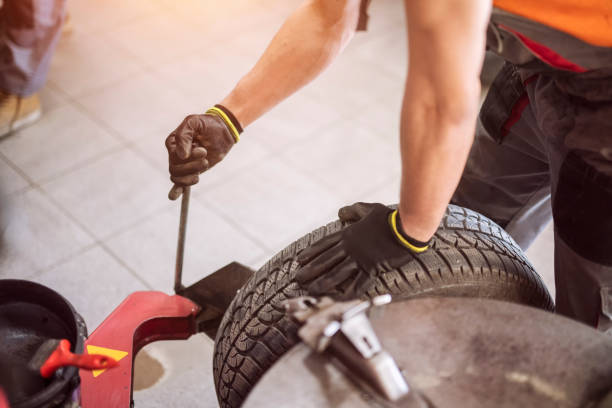
For those immersed in intricate tasks requiring precision, mechanics gloves emerge as an indispensable ally. Crafted with dexterity in mind, these gloves provide a snug fit while offering protection against abrasions and minor impacts. Whether you’re tinkering under the hood or handling intricate components, mechanics gloves ensure your hands remain shielded and nimble.
2. Nitrile Nirvana: A Barrier Against the Elements
Navigating a workspace that involves exposure to chemicals demands a glove that acts as a formidable barrier. Nitrile gloves, renowned for their resistance to oils, chemicals, and punctures, stand out as the go-to choice. These gloves not only safeguard your hands but also allow for flexibility, making them an ideal companion for those laboring in laboratories, automotive, or industrial settings.
3. Leather Loveliness: The Timeless Protector
Steeped in tradition, leather work gloves have stood the test of time for their durability and adaptability. Whether you’re toiling in construction, farming, or welding, these gloves offer a blend of ruggedness and comfort. As they age, leather gloves often mold to the contours of your hands, providing a personalized fit and a sense of familiarity that enhances your work experience.
4. Latex Luxe: Balancing Comfort and Protection
In environments where tactile sensitivity is paramount, latex gloves take center stage. Commonly used in medical and laboratory settings, these gloves offer exceptional comfort and dexterity. The snug fit ensures a second-skin feel, enabling wearers to perform intricate tasks without compromising on protection. From healthcare professionals to laboratory technicians, latex gloves make work feel like second nature.
5. Touchscreen Trailblazers: Connectivity in Your Grip
In our digitized world, staying connected even while working is a necessity. Enter touchscreen-compatible gloves, designed for those who need to manipulate devices without exposing their hands to the elements. Ideal for outdoor jobs or professions that involve constant gadget interaction, these gloves seamlessly marry protection and connectivity.
6. Heat-Resistant Heroes: Defying the Flames
For those confronting high-temperature work environments, heat-resistant gloves emerge as crucial guardians. Whether you’re a blacksmith, a chef, or involved in any industry where extreme heat is a constant companion, these gloves ensure that your hands remain unscathed. Constructed from specialized materials, they provide a reliable shield against burns while allowing you to focus on your tasks with confidence.
Winter Warriors: Unveiling the Best Warm Gloves You Can Work In
When the cold weather sets in, maintaining productivity while keeping your hands warm becomes a challenging balancing act. In this guide, we explore a diverse array of warm gloves designed not just for insulation but also for optimal functionality, ensuring your hands stay toasty without compromising your ability to work efficiently.
1. Insulated Ingenuity: Elevating Warmth to Another Level
For those braving harsh winter conditions, insulated work gloves stand out as the ultimate solution. Crafted with cutting-edge thermal technology, these gloves provide a cocoon of warmth without sacrificing flexibility. Whether you’re engaged in construction, landscaping, or any outdoor work, insulated gloves ensure your hands remain protected and comfortable even in the biting cold.
2. Electrically Heated Haven: Defying Winter’s Chill
In the realm of warm work gloves, electrically heated options represent a revolution in combating extreme cold. Fitted with battery-powered heating elements, these gloves can be adjusted to your desired temperature, offering customizable warmth. Ideal for those working in freezers, cold storage, or any environment where temperatures plummet, electrically heated gloves make winter tasks not just bearable but comfortable.
3. Flexible Fleece: Combining Comfort and Warmth
Fleece-lined gloves seamlessly merge comfort and warmth, providing an excellent solution for those requiring dexterity in their work. Whether you’re handling tools, typing, or engaged in tasks demanding precision, these gloves ensure your fingers stay nimble while being encased in a plush layer of insulation. Versatile and cozy, fleece-lined gloves are a winter work essential.
4. Waterproof Wonders: Defending Against Winter’s Elements
In the battle against winter’s elements, waterproof gloves emerge as a formidable ally. Designed to keep your hands dry and warm, these gloves are ideal for professions involving exposure to snow, sleet, or rain. From construction sites to outdoor maintenance, waterproof gloves not only shield you from the cold but also provide a protective barrier against moisture.
6. High-Visibility Heat: Safety and Warmth Intertwined
For those working in low-light or hazardous conditions during winter, high-visibility warm gloves provide a dual advantage. Combining insulation with visibility features, these gloves ensure not only warmth but also enhanced safety. Whether you’re directing traffic, working on a construction site, or involved in any job where being seen is crucial, high-visibility warm gloves keep you both warm and visible.
In conclusion, the world of warm work gloves extends far beyond just insulation. From cutting-edge heated options to the classic fleece-lined varieties, there’s a perfect pair designed to keep your hands warm and nimble in every winter work scenario. So, gear up, stay warm, and conquer the winter workday with confidence.