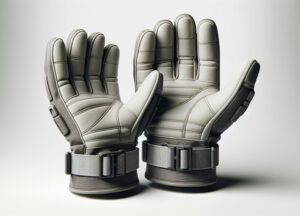




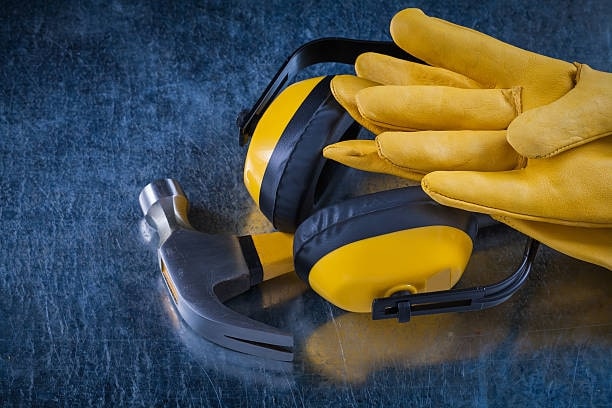
In the realm of protective work gloves, the efficacy of anti-vibration gloves remains a subject of intrigue and discussion. This article delves into the mechanics of anti-vibration gloves, unraveling the intricacies behind their design and functionality to answer the pertinent question: do anti-vibration gloves truly work in mitigating the impact of vibrations on hands during various industrial tasks?
Unveiling the Mechanics: Do Anti-Vibration Gloves Truly Work?
The Science Behind Anti-Vibration Gloves: Understanding the Vibration Dampening Mechanism
Anti-vibration gloves operate on the principle of vibration dampening, seeking to reduce the transmission of harmful vibrations from tools and machinery to the hands. Most of these gloves incorporate specialized materials, such as gel-filled padding or foam, strategically placed in the palm and fingers. This padding absorbs and disperses vibrations, acting as a barrier between the tool and the hand. The effectiveness of anti-vibration gloves lies in their ability to minimize the impact of continuous vibrations, providing a layer of protection for professionals engaged in tasks that expose them to these potential hazards.
Tailored for Precision Tasks: Anti-Vibration Gloves in High-Dexterity Professions
One of the notable aspects of anti-vibration gloves is their compatibility with precision tasks that demand high dexterity. Contrary to the misconception that these gloves may compromise fine motor skills, well-designed anti-vibration gloves strike a balance between protection and dexterity. Professionals engaged in tasks requiring intricate hand movements, such as mechanics or power tool operators, find that anti-vibration gloves allow them to maintain the necessary precision without sacrificing the safeguarding benefits against vibrations.
A Shield Against Hand-Arm Vibration Syndrome (HAVS): Anti-Vibration Gloves and Health Protection
Hand-Arm Vibration Syndrome (HAVS) is a health concern associated with prolonged exposure to vibrating tools, potentially leading to conditions like vibration white finger. Anti-vibration gloves play a pivotal role in preventing or mitigating the risks of HAVS. By reducing the transmission of vibrations, these gloves act as a shield for the hands, safeguarding against the potential long-term health effects associated with continuous exposure to vibrating equipment.
Assessing Individual Suitability: Factors Influencing the Effectiveness of Anti-Vibration Gloves
While anti-vibration gloves showcase significant efficacy, their effectiveness can vary based on individual factors and the nature of the tasks involved. Factors such as the frequency and amplitude of vibrations, the duration of exposure, and the fit of the gloves all contribute to their overall performance. Employers and professionals must consider these variables when selecting anti-vibration gloves to ensure they align with the specific demands of the work environment and provide optimal protection.
Balancing Comfort and Protection: The Role of Proper Fit in Anti-Vibration Gloves
The fit of anti-vibration gloves is paramount to their effectiveness. A snug and ergonomic fit ensures that the gloves remain in place during use, maximizing their vibration dampening capabilities. Poorly fitting gloves may compromise their functionality, leading to gaps that allow vibrations to reach the hands. The emphasis on proper fit underscores the importance of considering not only the protective features of anti-vibration gloves but also their comfort and ergonomic design to enhance overall performance.
 Demystifying Protection: Do Anti-UV Gloves Truly Shield Your Hands?
In the dynamic landscape of protective work gloves, the effectiveness of anti-UV gloves has become a focal point of inquiry. This article aims to demystify the functionality of these gloves, exploring the mechanisms behind their design and addressing the crucial question: do anti-UV gloves really work in safeguarding hands against the harmful effects of ultraviolet rays?
The Science of Shielding: Understanding How Anti-UV Gloves Function
Anti-UV gloves operate on the principle of blocking and filtering ultraviolet (UV) rays from reaching the skin. The fabric used in these gloves incorporates special coatings or materials that absorb and reflect UV radiation, preventing it from penetrating through to the hands. The efficacy of anti-UV gloves lies in their ability to act as a barrier, reducing the exposure of the skin to harmful UV rays during outdoor activities or tasks that necessitate prolonged sun exposure.
Beyond Aesthetic Value: Anti-UV Gloves and Protection from UV-Related Risks
While the sun-kissed aesthetic of anti-UV gloves is undoubtedly appealing, their primary function is to provide practical protection against UV-related risks. Prolonged exposure to UV rays can lead to various skin issues, including sunburn, premature aging, and an increased risk of skin cancer. Anti-UV gloves, when appropriately designed and worn, contribute to the prevention of these risks, making them a valuable accessory for professionals engaged in outdoor work or recreational activities.
Versatility in Utility: Anti-UV Gloves Across Varied Professions
The utility of anti-UV gloves extends across a spectrum of professions that require protection from UV radiation. Outdoor workers, such as landscapers, construction professionals, and agricultural workers, find these gloves indispensable in shielding their hands from the sun’s rays. Additionally, individuals in recreational pursuits like hiking, fishing, or gardening also benefit from the versatile protection that anti-UV gloves offer, ensuring that hands remain safeguarded without compromising on comfort or functionality.
Evaluating Sun Protection Factor (SPF): A Key Metric for Anti-UV Gloves
One essential aspect of assessing the effectiveness of anti-UV gloves is considering their Sun Protection Factor (SPF). Similar to sunscreen, the SPF of these gloves indicates their ability to block UV radiation. The higher the SPF, the greater the level of protection offered. Professionals and enthusiasts alike should consider the SPF rating of anti-UV gloves to ensure they align with the specific UV exposure levels of their work or activities, ensuring comprehensive protection for the hands.
The Importance of Fit: Ensuring Proper Coverage with Anti-UV Gloves
To maximize the effectiveness of anti-UV gloves, proper fit is paramount. Gloves that fit snugly provide comprehensive coverage and reduce the likelihood of UV rays penetrating through gaps or loose areas. Professionals should prioritize gloves that offer not only UV protection but also a secure and comfortable fit to ensure consistent coverage during the entire duration of outdoor tasks or activities.
Harmonizing Safety: The Dynamics of Anti-Vibration Work Gloves
In the symphony of protective work gloves, anti-vibration work gloves emerge as a crescendo of innovation, harmonizing safety and functionality. This article unravels the dynamics of these gloves, delving into their design, the science behind vibration reduction, and the tangible benefits they offer to professionals engaged in tasks that expose their hands to continuous vibrations.
The Vibration Dilemma: Understanding the Need for Anti-Vibration Gloves
The crux of the matter lies in comprehending the potential hazards associated with prolonged exposure to hand-arm vibrations. Workers in industries like construction, manufacturing, and power tool operation often face the risk of Hand-Arm Vibration Syndrome (HAVS). Anti-vibration work gloves step in as a proactive solution, aiming to mitigate the impact of continuous vibrations on the hands and arms, ensuring the well-being of professionals in high-vibration work environments.
Mechanics of Protection: How Anti-Vibration Gloves Dampen Vibrations
At the core of anti-vibration work gloves lies a sophisticated mechanism designed to dampen and absorb vibrations. Typically, these gloves incorporate specialized padding, often in the form of gel-filled cushions or foamed materials, strategically placed in areas susceptible to vibration exposure, such as the palms and fingers. The padding acts as a shock absorber, absorbing and dispersing the vibrations generated by tools and machinery, preventing them from reaching the hands and causing potential harm.
Tailored for Precision: Balancing Protection and Dexterity
Contrary to the notion that protective gloves compromise dexterity, anti-vibration work gloves strike a delicate balance between safeguarding hands and allowing for precise movements. This is crucial in professions where intricate hand motions are essential. Crafted with attention to detail, these gloves enable professionals to maintain optimal control and tactile sensitivity, ensuring that the protection offered does not impede the precision required for tasks such as handling power tools or operating machinery.
Preventing HAVS: Anti-Vibration Gloves as a Safeguard Against Health Risks
Hand-Arm Vibration Syndrome encompasses a range of health issues, including numbness, tingling, and reduced grip strength. Anti-vibration work gloves play a pivotal role in preventing the onset or progression of HAVS. By effectively reducing the transmission of vibrations to the hands, these gloves act as a safeguard against the potential long-term health risks associated with continuous exposure to vibrating equipment.
The Fit Factor: Ensuring Optimal Protection with Properly Fitted Gloves
The effectiveness of anti-vibration work gloves is closely tied to their fit. A snug and ergonomic fit ensures that the gloves remain in place during use, maximizing their vibration-dampening capabilities. Ill-fitting gloves may compromise their functionality, allowing vibrations to reach the hands. To ensure optimal protection, professionals should prioritize gloves that offer not only the necessary protective features but also a comfortable and secure fit.
Decoding Effectiveness: Do Anti-Vibration Gloves Truly Work?
In the realm of protective work gloves, the effectiveness of anti-vibration gloves sparks curiosity and debate. This article delves into the question that echoes through workshops and construction sites alike: do anti-vibration gloves truly work in mitigating the impact of continuous vibrations on the hands during various industrial tasks?
Unveiling the Mechanism: How Anti-Vibration Gloves Operate
Anti-vibration gloves are not mere accessories; they are engineered solutions designed to address the potential hazards associated with hand-arm vibrations. The mechanism behind their functionality lies in strategically placed padding, often composed of gel-filled cushions or specialized foamed materials. This padding acts as a barrier, absorbing and dispersing vibrations generated by tools and machinery, preventing them from transmitting to the hands. The science behind anti-vibration gloves is rooted in the notion of vibration dampening, a concept crucial for professionals who face prolonged exposure to vibrating equipment.
Practical Protection: The Tangible Benefits of Anti-Vibration Gloves
The tangible benefits of anti-vibration gloves extend beyond theory, manifesting in real-world scenarios where professionals navigate tasks prone to continuous vibrations. These gloves offer a practical shield, reducing the risk of Hand-Arm Vibration Syndrome (HAVS) and its associated health issues. Whether in construction, manufacturing, or any industry where power tools are prevalent, the practical protection afforded by anti-vibration gloves becomes evident in the form of reduced fatigue, improved grip strength, and a lower risk of long-term health complications.
Tailored for Precision: Maintaining Dexterity Amidst Protection
One common concern is whether the protective features of anti-vibration gloves compromise manual dexterity. Contrary to this misconception, these gloves are crafted with a keen understanding of the need for precision in various tasks. The design ensures that wearers can maintain optimal control and tactile sensitivity, crucial for professions where intricate hand movements are essential. Anti-vibration gloves strike a balance, offering protection without impeding the precision required for tasks such as handling power tools or operating machinery.
The Spectrum of Effectiveness: Factors Influencing Anti-Vibration Gloves
While anti-vibration gloves showcase significant effectiveness, the degree of protection can be influenced by various factors. The type and intensity of vibrations, the duration of exposure, and the fit of the gloves all contribute to their overall performance. Understanding these factors is essential for professionals and employers when selecting anti-vibration gloves, ensuring that the chosen gloves align with the specific demands of the work environment for optimal effectiveness.
Evaluating in Practice: Testing the Efficacy of Anti-Vibration Gloves
Practical evaluation forms a crucial part of understanding the efficacy of anti-vibration gloves. Employers and safety professionals may conduct assessments in real work settings, considering the specific tasks and equipment involved. This hands-on approach allows for a more nuanced understanding of how well the gloves perform under the unique conditions of a particular industry or job. Regular feedback from workers wearing anti-vibration gloves aids in refining their selection and ensures continuous improvement in addressing the challenges posed by hand-arm vibrations.
Unveiling the Spark: Exploring the Efficacy of Anti-Static Work Gloves
In the dynamic landscape of protective work gloves, the spotlight turns to the often-overlooked but crucial niche – anti-static work gloves. This article embarks on a journey to unveil the effectiveness of these gloves, delving into their design, the science behind static dissipation, and the significant role they play in industries where electrostatic discharge poses a potential hazard.
The Shocking Reality: Understanding the Need for Anti-Static Work Gloves
In workplaces where sensitive electronic components, machinery, or explosives are present, the discharge of static electricity can have far-reaching consequences. Anti-static work gloves are designed to counter this threat. The shocking reality is that static electricity can damage electronic devices, compromise the integrity of sensitive materials, and even pose a safety risk in explosive environments. These gloves emerge as a proactive solution to mitigate the impact of static electricity on both the worker and the equipment they handle.
Dissipating Static: The Science Behind Anti-Static Gloves
The mechanism that sets anti-static work gloves apart lies in their ability to dissipate static electricity, preventing the buildup of electrostatic charges on the surface of the gloves. This is achieved through the integration of conductive materials or coatings into the glove’s fabric. These materials facilitate the safe and controlled discharge of static electricity from the wearer, redirecting it away from sensitive equipment. The science behind anti-static gloves is a testament to their role in preserving the integrity of electronic components and minimizing the risk of sparks in volatile environments.
A Symphony of Safety: Anti-Static Gloves in High-Tech Industries
Industries at the forefront of technology, such as electronics manufacturing, telecommunications, and aerospace, rely on the symphony of safety that anti-static gloves orchestrate. These gloves become an integral part of the ensemble, ensuring that workers can handle delicate components without the fear of damaging them through accidental static discharge. The importance of anti-static gloves in such high-tech industries goes beyond personal protection; it becomes a key player in maintaining the quality and reliability of the products being manufactured.
Precision in Practice: Balancing Protection and Dexterity
While the primary function of anti-static work gloves is to prevent static electricity buildup, they are also designed to provide the necessary protection without compromising on dexterity. Workers in industries where intricate hand movements are paramount can benefit from the precision offered by these gloves. The balance between protection and dexterity ensures that professionals can perform their tasks with the required finesse, making anti-static gloves versatile tools in environments that demand both skill and caution.
Personal Safety and Equipment Integrity: The Dual Role of Anti-Static Gloves
Anti-static work gloves play a dual role, safeguarding both the worker and the equipment. Beyond preventing accidental sparks that could lead to explosions or damage sensitive devices, these gloves also contribute to personal safety. Workers who handle volatile materials or work in environments where static electricity poses a risk find assurance in the protective barrier created by anti-static gloves, reinforcing their role as indispensable tools in ensuring a secure work environment.
Navigating the Ripples: Understanding the Mechanics of How Anti-Vibration Gloves Work
In the realm of protective work gloves, one particular innovation that captures attention is the enigmatic anti-vibration gloves. This article embarks on a journey to unravel the intricate mechanics behind these gloves, aiming to answer the fundamental question: how do anti-vibration gloves work to shield hands from the reverberations of power tools and machinery?
Embracing the Vibration Challenge: The Need for Anti-Vibration Gloves
Before delving into the mechanics, it’s crucial to grasp the challenge at hand. Workers in various industries, from construction to manufacturing, often face prolonged exposure to hand-arm vibrations generated by power tools. The potential risks include Hand-Arm Vibration Syndrome (HAVS), leading to issues like numbness, tingling, and reduced grip strength. Anti-vibration gloves emerge as a response to this challenge, designed to mitigate the impact of continuous vibrations on the hands.
The Art of Dampening: Core Mechanism of Anti-Vibration Gloves
At the heart of how anti-vibration gloves work lies the art of dampening vibrations. These gloves incorporate specialized padding, strategically placed in areas vulnerable to vibration exposure, such as the palms and fingers. The padding, often composed of gel-filled cushions or foamed materials, acts as a shock absorber. When a worker operates a power tool, the vibrations generated are absorbed by the padding, preventing them from transmitting directly to the hands. The result is a significant reduction in the intensity of vibrations reaching the hands.
Tailoring for Precision: Balancing Protection and Dexterity
A common concern is whether the protective features of anti-vibration gloves compromise the required dexterity for precision tasks. The design of these gloves takes this into careful consideration. By striking a delicate balance between protection and dexterity, anti-vibration gloves enable professionals to maintain optimal control and tactile sensitivity. Crafted with attention to detail, these gloves ensure that workers can execute tasks requiring intricate hand movements without sacrificing the safeguarding benefits against vibrations.
The Impact on Hand-Arm Vibration Syndrome (HAVS): A Preventive Measure
Hand-Arm Vibration Syndrome is a significant health concern associated with prolonged exposure to vibrating tools. Anti-vibration gloves function as a preventive measure, aiming to reduce the risk of developing HAVS. By effectively dampening the transmission of vibrations, these gloves act as a shield, offering a layer of protection against the potential long-term health effects associated with continuous exposure to vibrating equipment.
Fit for Success: The Importance of Properly Fitted Anti-Vibration Gloves
The effectiveness of anti-vibration gloves is closely tied to their fit. A snug and ergonomic fit ensures that the gloves remain in place during use, maximizing their vibration-dampening capabilities. Ill-fitting gloves may compromise their functionality, allowing vibrations to reach the hands. Professionals should prioritize gloves that offer not only the necessary protective features but also a comfortable and secure fit to ensure consistent coverage during the entire duration of tasks involving vibrating equipment.
Slicing Through Safety: The Ingenious Technology Behind Anti-Cut Work Gloves
In the dynamic landscape of protective work gear, one innovation that stands out for professionals dealing with sharp objects is the realm of anti-cut work gloves. This article aims to delve into the ingenious technology behind these gloves, unraveling the mechanisms that make them a formidable shield against the perils of cuts and lacerations in various industrial settings.
Precision in Design: How Anti-Cut Work Gloves Tackle the Threat of Sharp Edges
The fundamental challenge that anti-cut work gloves address is the constant risk of encountering sharp edges and blades in the workplace. The precision in their design lies in the integration of cut-resistant materials, often composed of high-performance fibers like Kevlar, Dyneema, or HPPE (High-Performance Polyethylene). These materials possess exceptional tensile strength, creating a robust barrier against cuts without compromising the dexterity required for intricate tasks.
The Armor Against Blades: Mechanisms Employed by Anti-Cut Gloves
Anti-cut work gloves function as a form of armor against blades, utilizing various mechanisms to resist and dissipate the force applied during a cutting motion. Some gloves incorporate multiple layers of cut-resistant materials, creating a composite structure that enhances protection. Others leverage advanced knitting techniques to interlock fibers, creating a dense and impenetrable surface. The combination of these mechanisms transforms anti-cut gloves into a reliable defense against sharp objects, ensuring that professionals can perform their tasks with reduced risk.
The ANSI/ISEA Standards: Ensuring Consistent Excellence in Cut Protection
To gauge and communicate the level of cut protection offered by anti-cut work gloves, the industry adheres to the ANSI/ISEA (American National Standards Institute/International Safety Equipment Association) standards. These standards categorize gloves into various levels, ranging from A1 to A9, with A9 representing the highest cut resistance. Professionals can reference these standards to select gloves that align with the specific hazards of their work environment, ensuring consistent excellence in cut protection.
Versatility in Applications: Anti-Cut Gloves Across Diverse Industries
One noteworthy aspect of anti-cut work gloves is their versatility in applications. From manufacturing and construction to culinary and healthcare settings, these gloves find relevance wherever the risk of cuts is prevalent. The adaptability of anti-cut gloves allows professionals in different industries to safeguard their hands without compromising on the specific requirements of their tasks, making them indispensable tools across diverse occupational landscapes.
Balancing Act: Anti-Cut Gloves Merging Protection and Comfort
A common concern with protective gloves is the potential trade-off between protection and comfort. Anti-cut work gloves, however, are designed with a keen understanding of this balance. Manufacturers prioritize ergonomics and flexibility to ensure that wearers can move their hands comfortably while benefiting from robust cut resistance. This balancing act is crucial in professions where precision is paramount, and professionals require both protection and tactile sensitivity.
 Harmony in Protection: Decoding the Symphony of Anti-Vibration Work Gloves
Within the symphony of protective work gear, one standout performer that orchestrates safety is the category of anti-vibration work gloves. This article delves into the intricate nuances of these gloves, unraveling the symphony they create to safeguard hands from the reverberations of power tools and machinery, making them an indispensable asset in various industrial settings.
The Pervasive Challenge: Tackling Hand-Arm Vibration Syndrome (HAVS)
The fundamental challenge that anti-vibration work gloves address is the pervasive risk of Hand-Arm Vibration Syndrome (HAVS) faced by workers consistently exposed to hand-arm vibrations. These vibrations, often emanating from power tools and machinery, can lead to health issues such as numbness, tingling, and reduced grip strength over time. Anti-vibration gloves step in as a proactive solution, aiming to mitigate the impact of these continuous vibrations on the hands and arms, ensuring the well-being of professionals in high-vibration work environments.
Navigating the Vibrational Waves: Core Mechanism of Anti-Vibration Gloves
At the core of how anti-vibration work gloves function is their ability to navigate and dampen vibrational waves. These gloves incorporate specialized padding, strategically placed in areas susceptible to vibration exposure, such as the palms and fingers. The padding, often composed of gel-filled cushions or advanced foamed materials, acts as a shock absorber. When a worker operates a power tool, the vibrations generated are absorbed by the padding, preventing them from transmitting directly to the hands. The result is a substantial reduction in the intensity of vibrations reaching the hands.
Fit for Precision: Balancing Protection and Dexterity
One common concern with protective gloves is the perceived compromise on dexterity. Anti-vibration work gloves, however, are meticulously designed to strike a balance between protection and precision. Crafted with attention to detail, these gloves allow professionals to maintain optimal control and tactile sensitivity. This balance ensures that workers can execute tasks requiring intricate hand movements without sacrificing the safeguarding benefits against vibrations, making these gloves versatile tools in environments that demand both skill and caution.
The Impact on Worker Well-being: Proactive Prevention of HAVS
As a proactive measure, anti-vibration work gloves play a significant role in preventing the onset or progression of HAVS. By effectively reducing the transmission of vibrations to the hands, these gloves act as a safeguard against the potential long-term health risks associated with continuous exposure to vibrating equipment. Workers who don these gloves not only experience enhanced comfort during tasks but also benefit from the assurance that their hands are shielded against the persistent challenges posed by hand-arm vibrations.
Ergonomics in Action: Tailoring Protection for the Workforce
The effectiveness of anti-vibration work gloves is closely tied to their ergonomic design. A proper fit ensures that the gloves remain in place during use, maximizing their vibration-dampening capabilities. The industry emphasizes the importance of selecting gloves that offer not only the necessary protective features but also a comfortable and secure fit. This emphasis on ergonomics ensures that the workforce can embrace these gloves as reliable companions, seamlessly integrating protection into their daily tasks without hindrance.
The Dynamics of Anti-Vibration Gloves at Mark’s Work Warehouse
Mark’s Work Warehouse has long been synonymous with quality workwear, and within its arsenal of protective gear lies a gem – the anti-vibration gloves. This article navigates the unique dynamics of these gloves within the context of Mark’s Work Warehouse, unraveling the features that make them a standout choice for professionals exposed to hand-arm vibrations in various industrial settings.
Tailored for Toughness: The Mark’s Work Warehouse Touch on Anti-Vibration Gloves
What sets the anti-vibration gloves at Mark’s Work Warehouse apart is the commitment to toughness without compromising on comfort. These gloves are tailored to withstand the rigors of demanding work environments, where power tools and machinery generate continuous vibrations. The materials used in crafting these gloves, coupled with the precision in design, create a formidable shield against the potential hazards associated with hand-arm vibrations.
Beyond Protection: The Ergonomic Advantage of Mark’s Anti-Vibration Gloves
Protection is paramount, but so is ergonomic design. Mark’s Work Warehouse ensures that their anti-vibration gloves go beyond safeguarding hands; they provide an ergonomic advantage. The fit is optimized to enhance comfort and flexibility, allowing professionals to maneuver with ease. The emphasis on ergonomics ensures that wearers not only benefit from protection against vibrations but also experience a level of comfort that fosters productivity during prolonged use.
Navigating the Aisles: Exploring the Variety in Mark’s Work Warehouse Collection
Mark’s Work Warehouse understands that different professions require different specifications. Thus, their collection of anti-vibration gloves offers a variety to cater to diverse needs. Whether you’re in construction, manufacturing, or any field where hand-arm vibrations pose a risk, navigating the aisles of Mark’s Work Warehouse reveals a range of options, each meticulously designed to meet specific industry demands.
The Seal of Approval: Industry Standards and Mark’s Anti-Vibration Gloves
Mark’s Work Warehouse maintains a commitment to excellence, and their anti-vibration gloves align with industry standards. These gloves often carry certifications and endorsements, attesting to their compliance with safety regulations. The seal of approval from relevant authorities adds an extra layer of confidence for professionals relying on Mark’s anti-vibration gloves, assuring them of not just quality but also adherence to recognized safety benchmarks.
Customer Testimonials: Real-World Endorsements for Mark’s Anti-Vibration Gloves
Beyond the technical specifications, the true litmus test for any protective gear is the feedback from those who wear it. Mark’s anti-vibration gloves boast a lineup of positive customer testimonials, reflecting real-world endorsements from professionals who have experienced the durability and efficacy of these gloves firsthand. Such testimonials serve as a testament to the reliability and trustworthiness of Mark’s Work Warehouse in delivering high-quality protective gear.
the Best Anti-Vibration Work Gloves for Ultimate Protection
In the realm of protective work gear, the quest for the best anti-vibration work gloves is a pursuit of excellence in shielding hands from the constant tremors generated by power tools and machinery. This article embarks on a journey to unveil and dissect the features that elevate certain gloves to the pinnacle of anti-vibration protection, ensuring that professionals can confidently navigate their tasks in high-vibration work environments.
Crafting Excellence: The Pinnacle Features of the Best Anti-Vibration Work Gloves
What defines the best anti-vibration work gloves lies in the meticulous craftsmanship that integrates pinnacle features for unparalleled protection. These gloves often incorporate advanced materials like gel-filled cushions, strategically placed to absorb and dissipate vibrations. The design prioritizes not only protection but also a snug fit, ensuring that the gloves remain in place during tasks, maximizing their efficiency in reducing the impact of hand-arm vibrations.
The Power of Materials: High-Performance Fibers and Comfort
The backbone of the best anti-vibration work gloves is the utilization of high-performance fibers like Kevlar, Dyneema, or HPPE (High-Performance Polyethylene). These materials provide exceptional tensile strength, creating a robust barrier against vibrations without compromising on comfort. The best gloves strike a delicate balance, offering the required protection while ensuring wearers experience optimum comfort during prolonged use, enhancing overall work performance.
Industry Standards: Benchmarking Excellence in Anti-Vibration Gloves
Excellence is often measured against recognized industry standards, and the best anti-vibration work gloves proudly carry certifications attesting to their compliance. These standards, often set by organizations like ANSI/ISEA (American National Standards Institute/International Safety Equipment Association), categorize gloves based on their level of vibration protection. Professionals seeking the best anti-vibration gloves can rely on these benchmarks to ensure they invest in gear that meets the highest industry standards.
Real-World Testing: Customer Reviews as the Litmus Test
Beyond technical specifications, the true litmus test for the best anti-vibration work gloves is real-world feedback from those who wear them. Customer reviews serve as invaluable insights into the practicality, durability, and effectiveness of these gloves. Professionals sharing their experiences provide a comprehensive understanding of how these gloves perform under various working conditions, helping others make informed decisions when selecting the best anti-vibration gear for their specific needs.
Tailored for Professions: The Best Fit for Specific Industries
What sets the best anti-vibration work gloves apart is their versatility in catering to the diverse needs of different professions. Whether it’s construction, manufacturing, automotive, or any industry with high-vibration tasks, these gloves are tailored to provide the best fit for specific working conditions. The best gloves adapt to the demands of the profession, ensuring that professionals can execute their tasks with precision and confidence.
Investing in Long-Term Protection: Durability and Cost-Efficiency
For professionals seeking the best anti-vibration work gloves, the concept of long-term protection is paramount. The best gloves not only excel in immediate protection but also boast durability, offering a cost-efficient investment. Understanding that these gloves are not just a one-time purchase but a tool for ongoing protection, professionals can confidently choose gloves that provide sustained excellence in anti-vibration performance.
In conclusion, the best anti-vibration work gloves are a culmination of meticulous design, high-performance materials, adherence to industry standards, positive customer reviews, adaptability to specific industries, and a commitment to long-term protection. As professionals navigate their tasks in high-vibration environments, choosing gloves that embody these qualities ensures that they master the tremors, elevating their safety and performance to new heights.