


Ensuring workplace safety is a critical responsibility for employers. The Occupational Safety and Health Administration (OSHA) sets essential standards to help maintain safe and compliant workplaces. This article explores OSHA requirements for first aid kits in construction, reporting in 2024, safety harnesses, stair handrails, Material Safety Data Sheets (MSDS), competent person designations, hole covers, trench excavation slopes, propane filling, and general employer responsibilities. By understanding and implementing these guidelines, employers can create a safer work environment.
OSHA Requirements for First Aid Kits in Construction
Construction sites are high-risk environments where immediate access to first aid can mitigate the severity of injuries. OSHA mandates the following for first aid kits:
Key Requirements:
- Availability: Employers must ensure that first aid kits are readily available on-site, with supplies tailored to the specific hazards present.
- Training: Workers should be trained in first aid procedures, especially in remote locations where immediate medical care is not accessible.
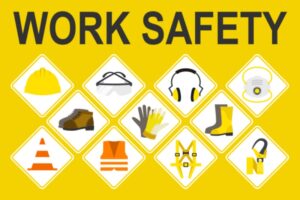
- Kit Contents: Kits must meet the American National Standards Institute (ANSI) guidelines, including items like bandages, antiseptics, and CPR masks.
- Accessibility: Kits should be clearly marked and easily accessible to all employees. Larger sites may require multiple kits strategically placed.
By ensuring proper first aid preparedness, employers can quickly address injuries and improve overall workplace safety.
OSHA Reporting Requirements for 2024
Accurate and timely incident reporting is crucial for compliance with OSHA standards in 2024. Employers must adhere to the following:
Key Requirements:
- Incident Reporting: Report any work-related fatalities within eight hours and hospitalizations, amputations, or eye losses within 24 hours.
- Recordkeeping: Maintain a detailed log of workplace injuries and illnesses using OSHA Form 300, with an annual review.
- Electronic Submission: Employers with 250 or more employees must submit their injury and illness records electronically via OSHA’s Injury Tracking Application (ITA).
These reporting requirements help OSHA monitor workplace safety and enforce regulations effectively.
OSHA Safety Harness Requirements
Fall protection is a top priority in workplaces with height-related risks. OSHA’s safety harness requirements are designed to prevent falls:
Key Requirements:
- Fall Protection Systems: Safety harnesses, part of personal fall arrest systems (PFAS), are required for workers operating at heights of six feet or more.
- Inspection: Safety harnesses must be inspected before each use, and damaged equipment must be removed immediately.
- Training: Workers must receive training on the correct use of harnesses, ensuring they are worn and adjusted properly.
By complying with these requirements, employers can significantly reduce fall-related injuries.
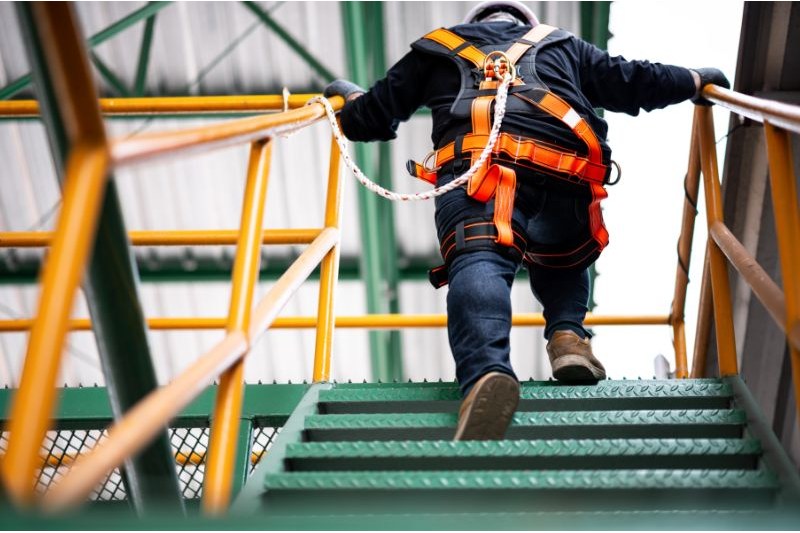
OSHA Handrail Requirements for Stairs
Proper handrails are essential for preventing slips and falls on stairways. OSHA mandates the following:
Key Requirements:
- Height: Handrails must be installed at a height between 30 to 38 inches above the stair tread nosing.
- Stairways with Four or More Risers: Any stairway with four or more risers requires at least one handrail.
- Continuity and Strength: Handrails should be continuous along the stairway and capable of withstanding 200 pounds of force in any direction.
Meeting these handrail requirements helps ensure stairway safety in the workplace.
OSHA MSDS (Material Safety Data Sheet) Requirements
Material Safety Data Sheets (MSDS), now known as Safety Data Sheets (SDS), are crucial for managing hazardous chemicals. OSHA requires:
Key Requirements:
- Availability: Employers must ensure that SDSs are readily accessible to all employees during their work shifts.
- Content: SDSs must provide detailed information about the chemical’s properties, hazards, and safe handling procedures.
- Training: Employees must be trained to understand and interpret SDSs, with training provided at initial assignment and when new chemicals are introduced.
Proper SDS management ensures that employees are informed and protected from chemical hazards.
OSHA Competent Person Requirements
Certain tasks, especially in construction, require oversight by a competent person to identify and address hazards:
Key Requirements:
- Designation: A competent person must be designated to oversee tasks like excavation, scaffolding, and fall protection.
- Responsibilities: This individual must conduct regular inspections and ensure compliance with OSHA standards.
- Training: Competent persons must be adequately trained in hazard recognition and the specific requirements of their tasks.
A competent person is essential for maintaining safety in high-risk work environments.
OSHA Requirements for Hole Covers
Open holes on construction sites pose significant fall hazards. OSHA specifies strict requirements for hole covers:
Key Requirements:
- Cover Strength: Covers must support at least twice the weight of employees, equipment, and materials that might cross over them.
- Labeling: All covers must be labeled with “HOLE” or “COVER” to alert workers to the hazard.
- Securing Covers: Covers must be secured to prevent accidental displacement, which could expose the hole.
These requirements are vital for preventing falls and injuries on construction sites.
OSHA Trench Excavation Slope Requirements
Trenching operations involve significant risks, particularly from cave-ins. OSHA mandates specific trench excavation slope requirements:
Key Requirements:
- Sloping and Benching: Trenches must be sloped or benched according to the soil type, with Type A soil requiring a ¾:1 slope.
- Protective Systems: Trench boxes or other protective systems are required for trenches deeper than five feet.
- Competent Person: A competent person must inspect trenches daily or after events like heavy rainfall.
Compliance with these requirements helps protect workers from the dangers of trench collapses.
OSHA Propane Filling Requirements
Proper propane handling and filling procedures are critical for safety in various industries. OSHA requires:
Key Requirements:
- Training: Workers must be trained in proper propane filling procedures and emergency response protocols.
- Ventilation: Propane filling areas must be well-ventilated to prevent gas accumulation and potential explosions.
- Cylinder Inspection: Propane cylinders must be inspected for damage before filling, and damaged cylinders should not be filled.
These requirements help prevent accidents and ensure safe propane handling.
General OSHA Requirements for Employers
Employers have broad responsibilities under OSHA to maintain a safe and compliant workplace:
Key Requirements:
- Workplace Safety Programs: Employers must develop comprehensive safety programs tailored to their specific industry and hazards.
- Employee Training: OSHA requires training on workplace hazards, safe work practices, and emergency procedures.
- Recordkeeping and Reporting: Employers must keep detailed records of injuries, illnesses, and OSHA-required reports.
- OSHA Posters: Display OSHA posters in visible areas to inform workers of their rights and safety responsibilities.
Adhering to these general requirements helps employers maintain a proactive approach to workplace safety.
Conclusion
OSHA’s safety standards are essential for protecting workers across various industries. From first aid and fall protection to hazard communication and trench safety, these guidelines cover a wide range of workplace hazards. Employers who implement these OSHA standards can create safer work environments, reduce the risk of accidents, and ensure compliance with federal regulations.
Regular training, diligent inspections, and adherence to these guidelines are crucial for maintaining a proactive approach to workplace safety. Staying updated on OSHA standards, including new requirements for 2024, is essential for ongoing compliance and safety excellence.