



Ensuring workplace safety is a critical responsibility for employers, and the Occupational Safety and Health Administration (OSHA) provides extensive regulations to guide this process. This article delves into key OSHA requirements, focusing on scaffolding, step ladders, handrails, bathrooms, hot work permits, scissor lift harnesses, construction sites, reporting, and pallet rack anchoring. By understanding these guidelines, employers can foster a safer working environment and maintain compliance with the latest OSHA standards.
OSHA Scaffolding Requirements
Scaffolding is a vital component in construction and industrial settings, providing workers with a stable platform to perform tasks at elevated heights. However, improper use or assembly of scaffolding can lead to severe accidents, making adherence to OSHA’s scaffolding requirements essential.
Key Requirements:
- Design and Load: Scaffolds must be designed by a qualified person and constructed to support at least four times the maximum intended load.
- Guardrails: Guardrails are required on scaffolds that are more than 10 feet above a lower level. These must be between 38 and 45 inches high, with midrails placed midway between the top edge and the platform.
- Planking: Scaffold platforms must be fully planked or decked, with no gaps greater than 1 inch.
- Access: Proper access to scaffolds, such as ladders or stair towers, must be provided. Workers should not climb cross braces.
- Inspections: Scaffolds must be inspected before each shift and after any event that could affect their integrity, such as high winds or impacts.
Compliance with these scaffolding requirements minimizes the risk of falls, one of the most common causes of injuries in construction.
OSHA Step Ladder Requirements
Step ladders are commonly used in various industries for tasks requiring limited elevation. While they are simpler than scaffolds, step ladders still pose significant risks if not used correctly.
Key Requirements:
- Load Capacity: Step ladders must be capable of supporting at least four times the maximum intended load.
- Height and Angle: Step ladders should be used only in a fully open position with the spreaders locked, and not for work at heights beyond the ladder’s intended design.
- Condition: Ladders must be regularly inspected for defects such as broken rungs, split rails, or loose hardware. Any defective ladder should be removed from service immediately.
- Usage: Workers must not stand on the top step or the top cap of a step ladder unless it is designed for that purpose. The ladder must be positioned on a stable, level surface.
Following these requirements helps prevent falls and injuries associated with the improper use of step ladders.
OSHA Handrail Requirements for Platforms
Platforms, like scaffolds, often require the installation of handrails to protect workers from falls. OSHA has specific guidelines to ensure these handrails provide adequate safety.
Key Requirements:
- Height: Handrails must be between 39 and 45 inches high from the platform surface.
- Strength: Handrails must be capable of withstanding a force of at least 200 pounds applied in any direction along the top rail.
- Midrails and Toeboards: If there’s a risk of objects falling, platforms must include midrails and toeboards. Midrails should be installed midway between the top rail and the platform surface.
These handrail requirements are crucial for preventing falls from platforms, particularly in elevated work environments.
OSHA Bathroom Requirements
OSHA sets clear standards for workplace bathrooms to ensure they are safe, sanitary, and accessible for all employees.
Key Requirements:
- Availability: Employers must provide adequate restroom facilities based on the number of employees. For instance, workplaces with up to 15 employees must have at least one toilet, while larger workplaces require more facilities.
- Sanitation: Restrooms must be kept clean and sanitary, with adequate supplies such as toilet paper, soap, and hand drying devices.
- Privacy: Bathrooms must provide privacy for workers, which includes providing separate facilities for men and women or ensuring unisex single-occupant restrooms.
- Accessibility: Restrooms should be located within reasonable access, ensuring employees do not have to travel excessively far to use them.
These requirements help maintain hygiene and employee comfort, contributing to overall workplace productivity.
OSHA Hot Work Permit Requirements
Hot work, which includes activities like welding, cutting, or grinding, poses significant fire hazards. OSHA’s hot work permit requirements are designed to mitigate these risks.
Key Requirements:
- Permit Issuance: A hot work permit must be issued by a designated competent person before any hot work is conducted in areas where flammable materials are present.
- Fire Watch: A fire watch is required during and after hot work activities to monitor for sparks or fires. The fire watch should remain in place for at least 30 minutes after the work is completed.
- Preparation: The area where hot work is conducted must be free of flammable materials, or these materials must be shielded from sparks.
- Ventilation: Adequate ventilation must be provided to remove any fumes or smoke generated by hot work.
Following these guidelines reduces the risk of fires and explosions associated with hot work activities.
OSHA Scissor Lift Harness Requirements
Scissor lifts are commonly used in construction and maintenance. However, they pose significant risks, especially if workers are not properly secured. OSHA has specific requirements regarding harness use on scissor lifts.
Key Requirements:
- Harness Usage: While OSHA does not explicitly require harnesses for scissor lifts, it strongly recommends them, especially when there is a risk of being ejected from the lift.
- Guardrails: Scissor lifts must be equipped with guardrails, and workers should stand within the guardrail system.
- Fall Protection: If a harness is used, it should be attached to an anchor point within the scissor lift designed to withstand fall forces.
These precautions help prevent falls and ejections, ensuring the safety of workers operating scissor lifts.

OSHA Construction Site Requirements
Construction sites are complex environments with numerous hazards. OSHA’s comprehensive construction site requirements cover a wide range of safety aspects.
Key Requirements:
- Hazard Communication: Employers must ensure that all employees are aware of potential hazards on the construction site, including through signage and safety briefings.
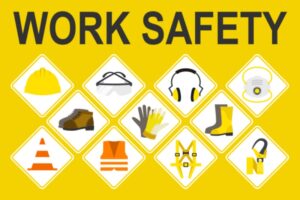
- Personal Protective Equipment (PPE): Appropriate PPE, such as hard hats, safety glasses, and steel-toed boots, must be provided and worn by workers.
- Fall Protection: Fall protection measures, such as guardrails, safety nets, or personal fall arrest systems, are required when workers are exposed to falls of 6 feet or more.
- Housekeeping: Construction sites must be kept clean and free of debris to prevent slips, trips, and falls.
Adhering to these requirements helps maintain a safe and efficient construction site, reducing the risk of accidents and injuries.
OSHA Reporting Requirements
OSHA requires employers to report certain workplace incidents, ensuring timely responses to workplace hazards. The reporting requirements for 2023 emphasize prompt reporting of severe incidents.
Key Requirements:
- Fatalities: All workplace fatalities must be reported to OSHA within 8 hours.
- Severe Injuries: Employers must report work-related hospitalizations, amputations, or loss of an eye within 24 hours.
- Electronic Submission: Employers with 250 or more employees, or those in certain high-risk industries, must electronically submit OSHA Form 300A (Summary of Work-Related Injuries and Illnesses) annually.
These reporting requirements ensure that OSHA can quickly respond to serious workplace incidents and help prevent future occurrences.
OSHA Pallet Rack Anchor Requirements
Pallet racks are essential for storage in warehouses and other industrial settings. However, improperly secured pallet racks can collapse, leading to severe injuries or fatalities. OSHA’s requirements for pallet rack anchoring help prevent such accidents.
Key Requirements:
- Anchoring: All pallet racks must be securely anchored to the floor to prevent tipping or collapse.
- Load Capacity: Racks must not be overloaded beyond their designed load capacity. Load limits should be clearly posted on each rack.
- Inspections: Regular inspections should be conducted to ensure that racks are in good condition and properly secured.
By following these requirements, employers can prevent rack collapses, ensuring a safe storage environment.
Conclusion
OSHA’s regulations on scaffolding, step ladders, handrails, bathrooms, hot work permits, scissor lifts, construction sites, reporting, and pallet racks are comprehensive and designed to cover a wide range of workplace safety concerns. Employers who understand and implement these requirements can significantly reduce workplace accidents and create a safer environment for their employees.
Compliance with these OSHA standards is not only a legal obligation but also a critical aspect of maintaining a productive and injury-free workplace. Regular training, inspections, and adherence to safety protocols are essential for ongoing compliance and the protection of all workers.