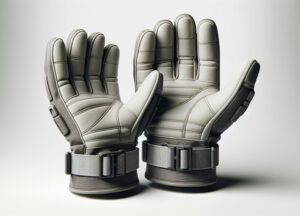




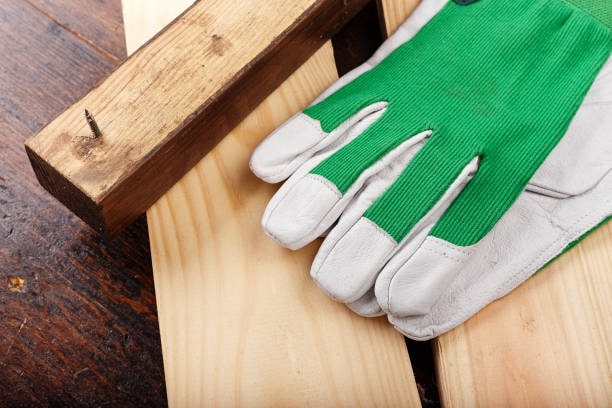
In the realm of occupational safety, where precision and resilience are paramount, Cut 5 work gloves emerge as the epitome of hand protection. These gloves, meticulously designed to meet the demanding Cut Level 5 standards, represent the cutting edge of defense against sharp hazards. Let’s explore the features and advantages that make Cut 5 work gloves a top-tier choice in safeguarding hands across diverse industries.
Cutting-Edge Safety: Decoding the Excellence of Cut 5 Work Gloves
The Significance of Cut Level 5 Protection
Cut Level 5 protection is the pinnacle in the ANSI/ISEA cut resistance grading system. This designation signifies the highest degree of cut resistance, making Cut 5 work gloves a formidable defense against even the most severe cut risks. In industries where sharp materials pose constant threats, the pursuit of Cut 5 protection becomes imperative to ensure uncompromising safety for professionals facing the challenges of their respective tasks.
Precision Engineering for Unmatched Defense
What sets Cut 5 work gloves apart is the precision engineering embedded in their design. Crafted with advanced materials like Dyneema, Aramid, and other high-performance fibers, these gloves create an impenetrable barrier against sharp edges. The meticulous integration of these materials ensures that the gloves not only meet but exceed the stringent requirements for Cut Level 5 protection, providing unparalleled defense in the most hazardous environments.
Adapting Seamlessly to Varied Challenges
Cut 5 work gloves showcase exceptional adaptability, seamlessly integrating into the varied challenges of different industries. From metalworking and glass handling to woodworking and construction, these gloves become indispensable in environments where severe cut risks are prevalent. The ability to offer the highest level of cut resistance ensures that professionals can face their tasks with unwavering confidence, knowing their hands are shielded against even the most severe cut risks.
Dexterity Without Compromise
While the primary focus of Cut 5 work gloves is defense, they do not compromise on dexterity. The intricate design and careful selection of materials allow these gloves to maintain optimal flexibility, enabling wearers to handle tools and perform intricate tasks with ease. This balance between protection and dexterity ensures that professionals can navigate high-stakes environments without sacrificing the precision required for their tasks.
Comfort Beyond Conventional Standards
Comfort is a non-negotiable factor in the effectiveness of any protective gear, and Cut 5 work gloves prioritize wearer comfort. The ergonomic design ensures that these gloves fit the natural contours of the hand, providing a snug yet comfortable fit. This attention to comfort not only enhances overall wearability but also contributes to prolonged use without causing discomfort or fatigue in high-stakes work environments.
Mastering Metalcraft: Navigating the Landscape of Cut-Resistant Gloves for Sheet Metal Work
In the dynamic world of sheet metal work, where precision meets potential hazards, the choice of cut-resistant gloves becomes pivotal. Crafting and manipulating metal demand a unique set of protective gear, and cut-resistant gloves tailored specifically for sheet metal work stand as indispensable tools. Let’s explore the intricacies of these gloves, designed to provide a robust shield against sharp edges and abrasions in the challenging realm of sheet metal fabrication.
The Essence of Cut Resistance in Sheet Metal Work
Sheet metal work involves navigating through sharp edges and abrasive surfaces, making cut resistance a paramount consideration. Cut-resistant gloves for sheet metal work are crafted with advanced materials such as Kevlar, Dyneema, and stainless steel mesh, forming a protective barrier that shields hands from potential cuts and abrasions. This essential feature ensures that professionals in sheet metal industries can execute their tasks with precision and safety.
Graded Protection: Choosing the Right Level
One distinguishing feature of cut-resistant gloves for sheet metal work lies in their graded protection. These gloves come with varying levels of cut resistance, allowing professionals to choose the degree of protection that aligns with the specific challenges of their tasks. Whether it’s precise cutting, handling sharp edges, or intricate metalwork, the graded protection ensures optimal defense against the diverse and often unpredictable hazards encountered in sheet metal fabrication.
Seamless Adaptability to Sheet Metal Rigors
Sheet metal work demands a nuanced approach to cut resistance, and gloves designed for this purpose showcase unparalleled adaptability to the rigors of the industry. From precise cutting to intricate handling, these gloves offer a harmonious blend of cut resistance and dexterity. Professionals can confidently navigate the complexities of sheet metal work, knowing that their gloves provide both the protection required and the flexibility necessary for performing intricate tasks.
Ergonomic Design: A Second Skin for Precision
Beyond materials and cut resistance levels, cut-resistant gloves for sheet metal work boast an ergonomic design. Crafted to mimic the natural contours of the hand, these gloves provide a second-skin fit. This design ensures not only optimal protection but also a level of comfort that facilitates prolonged wear. Professionals can focus on the task at hand without the distraction of cumbersome gloves, enhancing both safety and productivity in sheet metal fabrication.
Durability as a Cornerstone
Sheet metal work often involves repetitive movements and abrasive surfaces, placing a premium on the durability of protective gear. Cut-resistant gloves for sheet metal work are designed with longevity in mind. Reinforced stitching, robust materials, and resistance to wear and tear ensure that these gloves stand the test of time, providing reliable protection throughout the demands of sheet metal tasks.
 Decoding the Efficacy: Unraveling the Question – Do Cut Resistant Gloves Work?
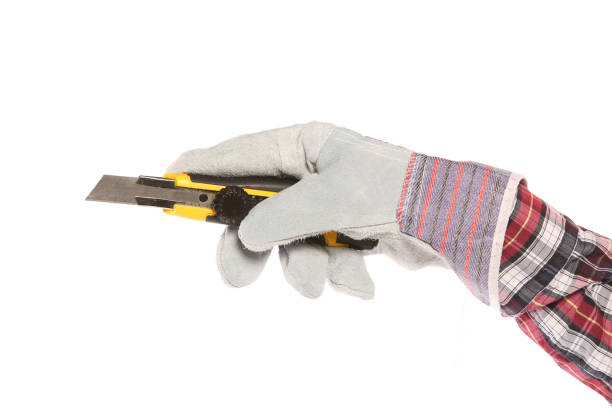
In the intricate world of occupational safety, where the hands are at the forefront of potential hazards, cut-resistant gloves stand as a crucial line of defense. However, the lingering question prevails – do cut-resistant gloves work as effectively as touted? Let’s delve into the mechanics, materials, and real-world applications to unravel the efficacy of these specialized gloves in ensuring the safety and well-being of workers.
Understanding the Mechanism: How Do Cut-Resistant Gloves Work?
Cut-resistant gloves are engineered with advanced materials such as Kevlar, Dyneema, and stainless steel mesh, strategically woven to create a protective barrier against sharp objects. The mechanism involves distributing the force applied during a cut over a larger area, making it more challenging for a sharp edge to penetrate the material. The effectiveness of these gloves lies in the meticulous engineering and integration of high-performance fibers, providing wearers with a reliable shield against cuts and abrasions.
The Role of Materials: From Kevlar to Dyneema
The choice of materials plays a pivotal role in determining the efficacy of cut-resistant gloves. Kevlar, known for its exceptional strength and durability, is a common choice. Dyneema, an ultra-high-molecular-weight polyethylene, boasts remarkable cut resistance. Stainless steel mesh is another robust option. The synergy of these materials contributes to the overall effectiveness of cut-resistant gloves, ensuring that they withstand the challenges presented by sharp objects in various work environments.
Real-World Applications: Where and How Are They Effective?
Cut-resistant gloves find their effectiveness validated in a multitude of real-world applications. From kitchen environments where chefs handle sharp knives to manufacturing floors where workers deal with metal and machinery, these gloves prove instrumental. In construction sites, woodworking studios, and even in industries where glass and ceramics are prevalent, the efficacy of cut-resistant gloves becomes evident. Professionals across diverse sectors rely on the protective capabilities of these gloves to prevent injuries and ensure safe work practices.
Limitations and Considerations: When and Where They Excel
While cut-resistant gloves excel in many scenarios, it’s crucial to acknowledge their limitations. The effectiveness of these gloves may vary based on factors like the type of sharp object, the force applied, and the duration of contact. Understanding the specific risks of a given task is essential in determining whether cut-resistant gloves are the optimal choice. Additionally, proper fit and care are crucial considerations for ensuring the continued effectiveness of these gloves over time.
Standards and Testing: Ensuring Quality Assurance
Quality assurance is paramount in the realm of cut-resistant gloves. Adhering to established standards and rigorous testing protocols is a key aspect of ensuring their effectiveness. Gloves often undergo testing based on standards like ANSI/ISEA 105, providing a clear indication of their cut resistance level. Professionals should be mindful of these standards when selecting gloves to ensure that they meet the necessary criteria for the intended tasks.
Winter Warriors: Navigating the Chill with Cut-Resistant Winter Work Gloves
As winter’s frosty embrace descends upon worksites, the need for specialized protective gear becomes pronounced. Cut-resistant winter work gloves emerge as the unsung heroes, combining the prowess of cut resistance with the ability to withstand the biting cold. In this winter wonderland of safety gear, let’s explore the unique features and advantages that make cut-resistant winter work gloves essential for professionals braving the elements while facing sharp hazards.
The Fusion of Cut Resistance and Thermal Comfort
Cut-resistant winter work gloves are a testament to innovation, seamlessly fusing the necessity of cut resistance with the demand for thermal comfort. Crafted with advanced materials like Kevlar and incorporating insulating layers, these gloves provide a formidable shield against cuts while ensuring that hands stay warm and nimble in cold environments. The fusion of these features caters to the dual needs of protection and comfort, making them indispensable during winter tasks.
Navigating Cold Environments with Dexterity
One challenge often faced in winter work environments is the compromise of dexterity due to bulky protective gear. Cut-resistant winter work gloves, however, defy this stereotype. Their design prioritizes not only cut resistance and warmth but also optimal dexterity. Professionals can navigate intricate tasks, handle tools, and maintain precision in their work, all while enjoying the protection and warmth provided by these specialized gloves.
Insulation Technologies: A Winter Workforce’s Best Friend
The insulation technologies embedded in cut-resistant winter work gloves are a winter workforce’s best friend. From Thinsulate™ to other proprietary insulating materials, these gloves ensure that hands remain shielded from the cold without sacrificing the flexibility required for demanding tasks. The insulation acts as a barrier against the chill, allowing professionals to focus on their work without the discomfort of cold hands hampering their efficiency.
Versatility for Winter Professions
Cut-resistant winter work gloves showcase exceptional versatility, catering to a spectrum of winter professions. From construction sites where sharp materials abound to cold storage facilities where both cut resistance and thermal insulation are paramount, these gloves adapt seamlessly. Professionals in industries like forestry, metalworking, and winter landscaping find the versatility of these gloves essential for maintaining productivity and safety in the face of diverse winter challenges.
Weatherproofing for Endurance
Weatherproofing is a cornerstone of cut-resistant winter work gloves. Engineered to endure the harsh winter conditions, these gloves often feature water-resistant and windproof materials. This weatherproofing not only enhances the gloves’ durability but also ensures that professionals can work effectively in wet and windy environments without compromising on the protective qualities of the gloves.
Navigating Protection: Understanding Cut-Resistant Work Gloves and Their Levels
In the realm of occupational safety, cut-resistant work gloves are at the forefront, offering a crucial line of defense against sharp hazards. Understanding the levels associated with cut resistance is paramount in selecting the right gloves for the job. This article delves into the intricacies of cut-resistant work gloves levels, unraveling the grading system that dictates their protective capabilities.
Decoding the Grading System: ANSI/ISEA Cut Resistance Levels
The ANSI/ISEA (American National Standards Institute/International Safety Equipment Association) cut resistance levels establish a standardized grading system for cut-resistant work gloves. Ranging from Level A1 to Level A9, each level corresponds to a specific range of cut resistance. This system provides a clear framework for professionals to make informed decisions based on the nature of their tasks and the potential risks they face.
Levels Demystified: From A1 to A9
Level A1 offers the lowest cut resistance, suitable for minimal cut hazards, while Level A9 represents the highest, providing exceptional protection against severe cut risks. The progression through the levels signifies an increase in the glove’s ability to withstand cuts. Understanding these levels empowers workers to choose gloves that align with the specific demands of their tasks, ensuring both safety and optimal performance.
Precision Engineering for Enhanced Protection
The progression of cut-resistant work gloves through the levels involves precision engineering, with the integration of advanced materials like Kevlar, Dyneema, and other high-performance fibers. Each level demands meticulous design to meet or exceed the specified cut resistance requirements. This precision ensures that professionals have access to gloves that provide not just standard protection but enhanced defense against sharp edges.
Industry-Specific Applications
The versatility of cut-resistant work gloves levels allows for industry-specific applications. For instance, Level A2 or A3 gloves might suffice for tasks with lower cut risks, such as light assembly work, while Level A5 or higher might be essential for industries like metalworking, where the risk of severe cuts is prevalent. Tailoring the cut resistance level to the industry’s demands ensures that professionals have the right tools for the job.
Balancing Protection with Dexterity
While higher cut resistance levels offer enhanced protection, it’s essential to strike a balance with dexterity. The intricate design and choice of materials in cut-resistant work gloves ensure that even at higher levels, wearers can maintain optimal flexibility. This balance allows for the precision and maneuverability required in tasks where both protection and dexterity are paramount.
Making Informed Choices for Enhanced Safety
In conclusion, understanding cut-resistant work gloves levels empowers professionals to make informed choices for enhanced safety. Whether engaged in light assembly work or heavy-duty tasks with severe cut risks, the availability of gloves across different levels caters to a spectrum of industries. Precision engineering, industry-specific applications, and the delicate balance between protection and dexterity collectively contribute to the efficacy of cut-resistant work gloves at various levels, ensuring that workers have the right level of protection for the challenges they face.