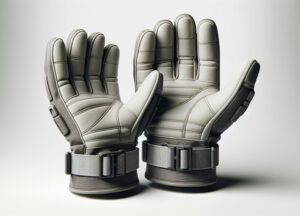




When working with various materials and tools, it is essential to protect your hands from potential injuries. Protective gloves are a key element among personal protective equipment (PPE) that helps minimize the risk of damage, burns, cuts, and other hazards both in the workplace and at home. In this article, we will explore how to choose work gloves, the types of gloves available, and the characteristics to consider to ensure you purchase a high-quality and reliable product.
Key Criteria for Selecting Protective Gloves
When choosing suitable models, several key factors must be considered to ensure the product meets the working conditions. Let’s examine the main criteria:
- Type of protection – against mechanical damage, chemical exposure, thermal effects, or electrical hazards.
- Material of the gloves – leather, PVC, knitted fabric, latex, nitrile, and others.
- Comfort level – important for prolonged use, especially for professionals working with small components.
- Size and fit – gloves should fit precisely to avoid restricting movement or slipping off.
- Protection class – determines the level of safety and compliance with standards depending on usage conditions.
Materials and Properties of Protective Gloves
There are various types of work gloves available. The convenience and level of protection largely depend on the manufacturing material. Different materials offer unique properties, allowing you to select the right option for specific tasks.
- Leather gloves: Excellent for protecting against mechanical damage and resistant to wear and tear. Suitable for welding and heavy physical labor.
- Latex gloves: Elastic and flexible, they provide protection against biological and chemical agents. Often used in medical settings, laboratories, and when handling hazardous chemicals.
- Nitrile gloves: Resistant to oils and fats. Ideal for handling chemicals, laboratory work, and industrial tasks. Nitrile-coated gloves are also durable and puncture-resistant.
- PVC gloves: Highly resistant to acids and alkalis, they are used in the chemical industry, construction, and when working with paints and coatings.
- Oil- and gasoline-resistant (MBS) gloves: Made from oil- and gasoline-resistant rubber, they are commonly used in machinery and agriculture.
- Knitted gloves: Lightweight and comfortable, they provide minimal protection and are well-suited for warehouse work and light industry tasks.
Classification by Protection Type
Gloves can be classified based on the type of protection they provide:
- Mechanical damage – Gloves designed to protect against cuts, punctures, impacts, and abrasions. Typically made from leather, synthetic materials, or PVC-coated for enhanced wear resistance.
- Chemical exposure – Gloves resistant to aggressive chemicals, acids, and alkalis. Recommended options include gloves made of latex, nitrile, or PVC.
- High temperatures – Designed to protect when working with elevated temperatures. These gloves are made from heat-resistant materials such as leather and special fireproof fabrics.
- Electricity – Gloves intended for work with electrical equipment. These must meet dielectric requirements.
- Insulated models – Specially designed to protect hands from low temperatures, ideal for outdoor work in cold weather.
Making the Right Choice: Step-by-Step Guide
When determining which work gloves are the best, consider your activity and the conditions in which they will be used. Here are several steps to help you select the right option:
- Determine the type of protection: Each industry requires specific types of protection. For mechanical hazards, choose durable leather or PVC gloves, as mentioned above.
- Choose the material: The material determines not only protective properties but also comfort. For instance, leather gloves are suitable for handling heavy items, while nitrile gloves are better for working with chemicals.
- Check the protection class: Review the labeling and ensure the selected gloves meet the required standards and protection levels.
- Consider the usage conditions: Gloves intended for use in cold or hot environments should have appropriate insulation or heat-resistant coatings.
- Check the size: Gloves should fit perfectly to avoid restricting movement.
Recommendations for Buying Protective Gloves on allcanadasafety.com
Now that you know the types of work gloves, you can purchase high-quality and reliable gloves and other workwear at allcanadasafety.com. The company Allcanadasafety offers a wide range of gloves for various activities, whether it’s heavy physical labor, working with chemicals, or protection from extreme temperatures. On the website, you can easily find the right pair of gloves by selecting based on material, protection class, and other important parameters.