Cable Lockouts   4 items

Filters

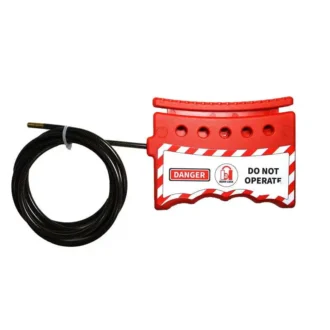
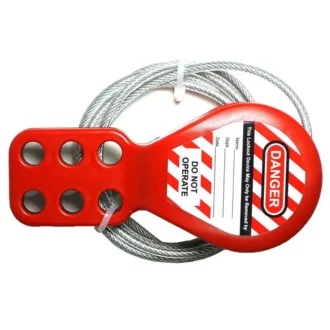
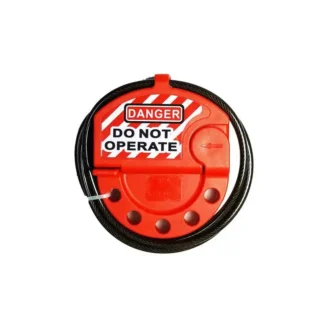
Cable lockouts are versatile safety devices designed to secure multiple energy isolation points and prevent unauthorized access during maintenance and repair activities. These devices ensure that machinery and equipment remain safely locked out, protecting workers from accidental energy releases.

Key features of cable lockouts include:

  1. Versatile Application: Cable lockouts can be used on a variety of equipment and machinery, including valves, handles, and electrical disconnects, making them ideal for complex lockout situations.
  2. Durable Materials: Constructed from high-strength, flexible cables and rugged lock bodies, these devices withstand harsh industrial environments and resist tampering and damage.
  3. Adjustable Length: The cable length can be easily adjusted to fit different lockout requirements, providing a customized solution for securing multiple points with a single device.
  4. Enhanced Safety: Brightly colored and clearly labeled, cable lockouts improve visibility and communicate that the equipment is locked out and under maintenance.
  5. Multiple Lock Capability: Many cable lockouts allow multiple padlocks to be attached, enabling several workers to secure the lockout device, ensuring that each worker maintains control over the equipment’s energy state.
  6. User-Friendly Design: Easy to apply and remove, these devices streamline the lockout process, reducing downtime and ensuring efficient workflow.
  7. Tamper-Resistant: Designed to resist tampering and unauthorized removal, cable lockouts provide a reliable and secure method for isolating energy sources.
  8. Compliance with Standards: Meets or exceeds OSHA and other regulatory standards for lockout/tagout procedures, ensuring workplace safety and regulatory compliance.
  9. Portable and Lightweight: Compact and lightweight, cable lockouts are easy to transport and use across different locations within a facility, ensuring that they are always available when needed.
  10. Cost-Effective Solution: By securing multiple energy points with a single device, cable lockouts offer a cost-effective approach to lockout/tagout procedures.
  11. Versatile Locking Mechanism: Equipped with a versatile locking mechanism that can accommodate a variety of padlocks and lockout hasps, providing flexibility in securing different types of energy isolation points.
  12. Comprehensive Kits: Available as part of comprehensive lockout/tagout kits, which include a variety of devices for different applications, ensuring that all necessary tools are at hand for effective energy isolation.

Cable lockouts are essential tools for ensuring safety during maintenance and repair activities. Their versatility, durable construction, and user-friendly design make them an indispensable part of any lockout/tagout program, providing reliable protection against accidental energy releases and enhancing overall workplace safety.

Lockout Tagout Devices FAQ

What are Lockout Tagout devices?
Lockout Tagout (LOTO) devices are safety tools used to ensure that machines are properly shut off and unable to be started up again before the completion of maintenance or repair work. They help prevent accidental energy release and protect workers from harm.
Why is Lockout Tagout important?
LOTO procedures are critical for worker safety as they prevent unexpected machine start-ups and the release of hazardous energy during maintenance activities. Implementing LOTO practices reduces the risk of injuries and fatalities in industrial environments.
What are the types of Lockout Tagout devices?
LOTO devices come in various types, including padlocks, hasps, valve lockouts, circuit breaker lockouts, plug lockouts, and tags. Each type is designed to secure different kinds of equipment and energy sources.
How do you implement a Lockout Tagout procedure?
Implementing a LOTO procedure involves identifying all energy sources, shutting down machinery, isolating energy sources, applying LOTO devices, and verifying isolation. Proper training and communication are essential throughout the process.
Who is responsible for Lockout Tagout procedures?
All employees involved in maintenance and service activities must follow LOTO procedures. Employers are responsible for providing proper training and ensuring that workers understand and comply with LOTO requirements.
Can Lockout Tagout devices be reused?
Yes, many LOTO devices like padlocks and hasps can be reused, provided they remain in good condition. Tags are typically single-use items, as they may degrade or become unreadable over time.
What should be included in a Lockout Tagout kit?
A comprehensive LOTO kit should include a variety of lockout devices (padlocks, hasps, valve lockouts, etc.), tags, and a clear procedure manual. It should also contain any specialized tools needed for the specific equipment being serviced.
Are there standards and regulations for Lockout Tagout?
Yes, LOTO procedures are governed by standards and regulations such as OSHA's 29 CFR 1910.147 in the United States, which outlines the control of hazardous energy and mandates specific practices and training requirements.
How often should Lockout Tagout training be conducted?
LOTO training should be conducted initially when employees are assigned to a role requiring it, and then periodically, typically annually, or whenever there are changes in equipment, processes, or procedures that affect the LOTO program.