Gas Cylinder Lockout   9 items

Filters

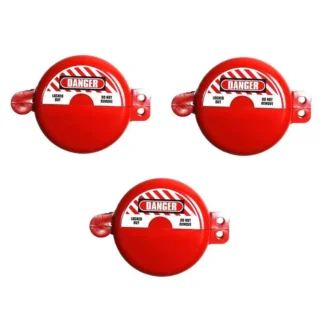
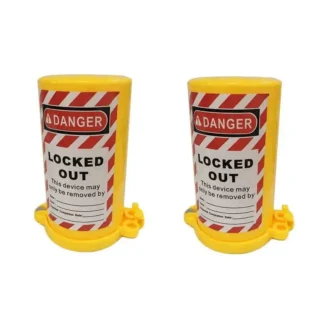
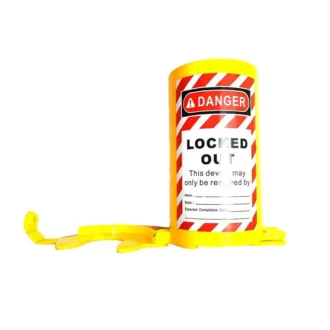
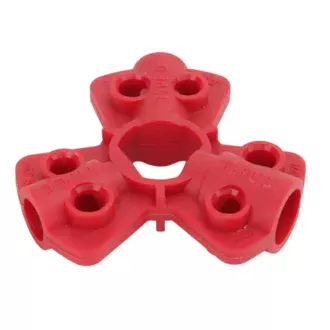
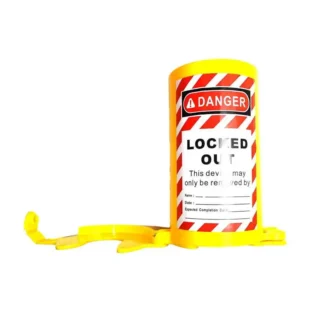
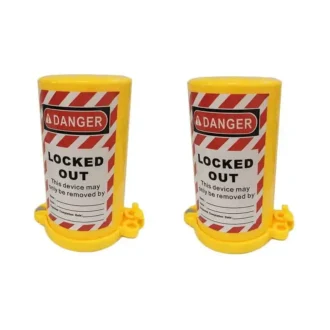
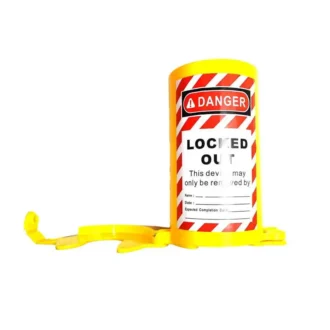
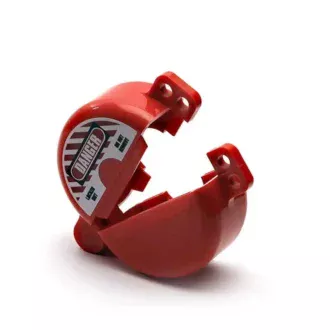
Gas cylinder lockouts are specialized safety devices used to prevent unauthorized access to and tampering with gas cylinders. These lockouts ensure that cylinders containing compressed gases are securely locked and inaccessible during maintenance, transportation, or storage, enhancing safety protocols in various industrial and commercial settings.

Key features of gas cylinder lockouts include:

  1. Secure Enclosure: Designed to fully enclose and lock around the valve of gas cylinders, preventing the valve from being opened or tampered with.
  2. High-Visibility Design: Brightly colored and prominently labeled to increase visibility and awareness of the lockout status, ensuring clear identification and safety compliance.
  3. Durable Construction: Made from robust materials such as high-density polyethylene (HDPE) or durable metals, gas cylinder lockouts withstand harsh environmental conditions and resist corrosion.
  4. Universal Compatibility: Available in various sizes and configurations to fit different types and sizes of gas cylinders, ensuring a secure fit and effective lockout.
  5. Easy Application: Simple and quick to install without the need for tools, facilitating efficient lockout procedures and minimizing downtime.
  6. Tamper-Resistant: Equipped with tamper-resistant features to prevent unauthorized removal or tampering, ensuring the integrity of the lockout.
  7. Compliance Assurance: Designed to comply with relevant safety standards and regulations, including OSHA standards for hazardous energy control (lockout/tagout), ensuring workplace safety and regulatory compliance.
  8. Portable and Lightweight: Compact and lightweight for easy handling and transport, allowing for convenient deployment across different locations within a facility or during transportation.
  9. Versatile Use: Suitable for use in various industries where compressed gases are utilized, including manufacturing, laboratories, construction, and healthcare, ensuring consistent safety practices.

Gas cylinder lockouts are essential safety devices that play a crucial role in preventing accidents and ensuring safe handling of compressed gases. Their robust design, ease of use, and compliance with safety standards make them indispensable tools for maintaining workplace safety and protecting personnel from the hazards associated with gas cylinders.

Gas Cylinder Lockout FAQ

What is gas cylinder lockout?
Gas cylinder lockout is a safety procedure used to prevent unauthorized access to gas cylinders and to ensure that they cannot be accidentally opened or used. This is crucial to prevent gas leaks, fire hazards, or other safety risks.
Why is gas cylinder lockout important?
Gas cylinder lockout is important to prevent unauthorized access to potentially hazardous gases, which can pose risks such as fire, explosion, or toxic exposure. It ensures that only authorized personnel can handle or access gas cylinders.
What are the common types of gas cylinder lockout devices?
Common types of gas cylinder lockout devices include cylinder valve lockouts, cap lockouts, and chain lockouts. These devices physically prevent the opening or operation of gas cylinder valves or caps.
How do you implement a gas cylinder lockout procedure?
To implement a gas cylinder lockout procedure, identify all gas cylinders that need to be locked out, apply the appropriate lockout device to secure the cylinder valve or cap, and ensure that only authorized personnel have access to the lockout keys or codes.
Who is responsible for performing gas cylinder lockout?
Employees who handle or work with gas cylinders are responsible for performing gas cylinder lockout procedures. Employers are responsible for providing proper training, lockout devices, and ensuring compliance with safety regulations.
Can gas cylinder lockout devices be reused?
Yes, gas cylinder lockout devices such as valve lockouts and cap lockouts are designed to be reusable as long as they remain in good condition and function properly. Regular inspection and maintenance are necessary to ensure effectiveness.
Are there regulations for gas cylinder lockout?
Yes, regulations such as OSHA's Process Safety Management (PSM) Standard (29 CFR 1910.119) in the United States require employers to implement lockout procedures for controlling hazardous energy sources, including gas cylinders.
What should be included in a gas cylinder lockout kit?
A gas cylinder lockout kit should include cylinder valve lockouts, cap lockouts, chain lockouts, lockout tags, and padlocks. It should also include procedures for lockout/tagout and safety guidelines for handling gas cylinders.
How often should gas cylinder lockout training be conducted?
Gas cylinder lockout training should be conducted initially when employees start their role and periodically thereafter, typically annually. Additional training should be provided whenever there are changes in equipment, procedures, or regulations.