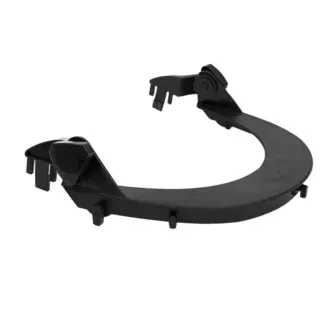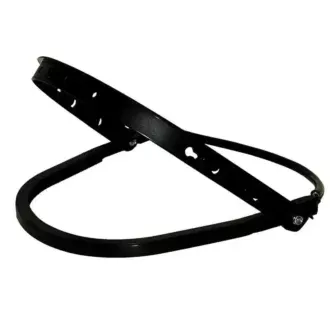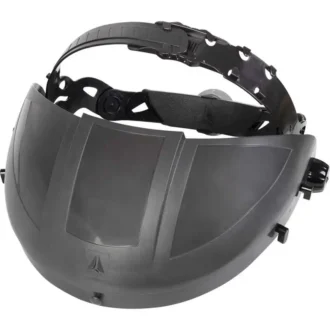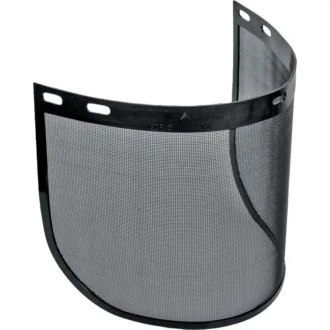
Face Shields   16 items

Filters

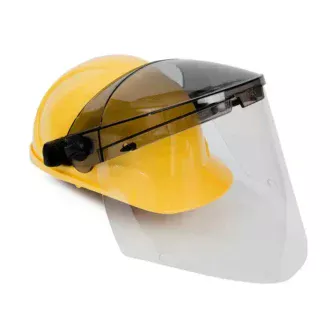
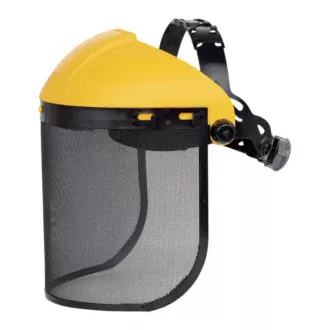
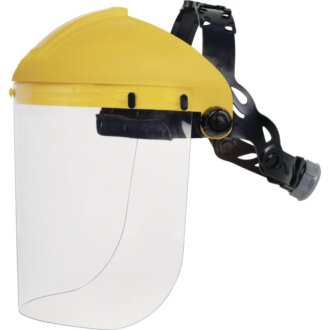
Face shields are versatile personal protective equipment designed to protect the face from various hazards in industrial, medical, and everyday environments. Unlike goggles or safety glasses, which primarily protect the eyes, face shields offer full-face protection from airborne debris, chemical splashes, and other hazards.

Key features of face shields include:

  1. Full-Face Coverage: Face shields extend from the forehead to below the chin, providing comprehensive protection for the entire face against splashes, sprays, and flying particles.
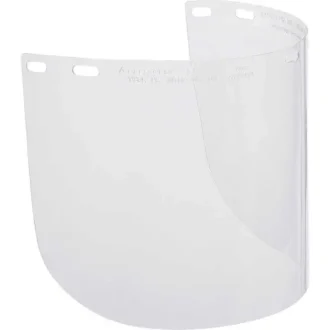
  2. Clear Visibility: Made from transparent materials such as polycarbonate or PET (polyethylene terephthalate), face shields ensure clear visibility without obstructing vision, allowing wearers to perform tasks effectively.
  3. Impact Resistance: Constructed from durable materials, face shields offer high impact resistance, shielding the face from projectiles and blunt force impacts in hazardous environments.
  4. Chemical Resistance: Many face shields are resistant to chemicals, acids, and other hazardous substances, providing an additional barrier against splashes and spills in laboratory or industrial settings.
  5. Comfortable Fit: Designed with adjustable headbands or straps, face shields offer a secure and comfortable fit for different head sizes, ensuring prolonged wear without discomfort.
  6. Easy Maintenance: Face shields are easy to clean and sanitize, often compatible with disinfectants and cleaning agents to maintain hygiene standards in medical and clinical environments.
  7. Versatility: Used across various industries and applications, face shields protect healthcare professionals, industrial workers, and laboratory technicians from specific hazards encountered in their respective work environments.
  8. Compliance: Face shields adhere to safety standards and regulations set by organizations like OSHA and ANSI, ensuring they provide adequate protection against workplace hazards.

Face shields are essential protective gear that complements other PPE like masks and goggles, offering comprehensive facial protection against a wide range of occupational hazards. Their durability, comfort, and versatility make them indispensable for maintaining safety and minimizing risks in various professional settings.

Face Shields FAQ

What are face shields?
Face shields are protective devices worn over the face to protect against splashes, sprays, or flying debris. They provide coverage for the eyes, nose, and mouth, offering an additional layer of protection beyond face masks.
How do face shields protect against infections?
Face shields create a barrier that blocks respiratory droplets from reaching the face, reducing the risk of viral or bacterial infections transmitted through airborne particles. They are often used in healthcare settings and other environments where close contact is unavoidable.
Are face shields reusable?
Yes, many face shields are designed for reuse after proper cleaning and disinfection. Follow manufacturer instructions for cleaning methods and frequency to maintain effectiveness and minimize the risk of contamination.
What materials are face shields made of?
Face shields are typically made of clear plastic materials such as polycarbonate or PETG (polyethylene terephthalate glycol). These materials provide optical clarity while offering impact resistance and durability.
Can face shields be worn with face masks?
Yes, face shields are often used in conjunction with face masks to provide comprehensive protection against airborne particles and droplets. Together, they offer enhanced protection for both the wearer and those around them.
Where are face shields commonly used?
Face shields are commonly used in healthcare settings by medical professionals, including doctors, nurses, and caregivers. They are also utilized in industrial environments, laboratories, and public-facing roles where close contact with others occurs.