Fall Protection   40 items

Filters

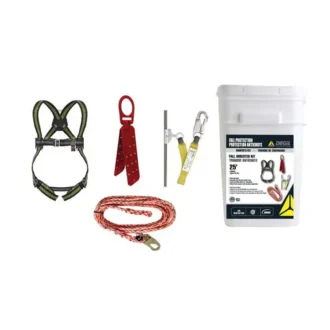
Fall protection equipment is specialized gear designed to prevent or mitigate the impact of falls from heights in industrial and construction settings. Unlike standard safety gear, fall protection specifically focuses on reducing the risks associated with working at elevated positions.

Key features of fall protection equipment include:

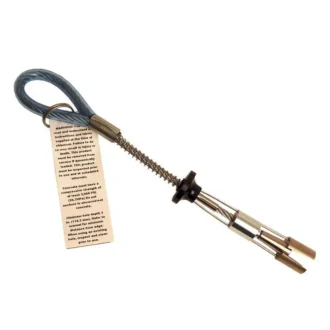
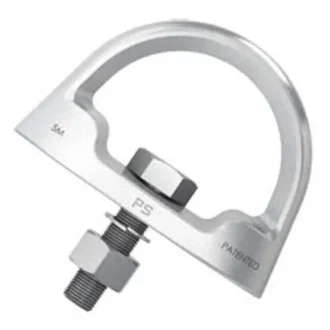
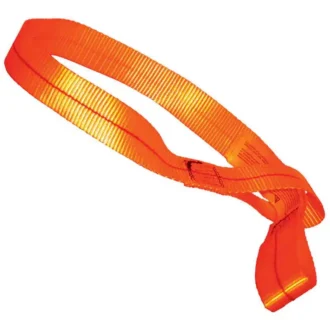
  1. Anchorage Points: Fall safety systems include secure anchorage points such as anchors, hooks, or tie-off points, which workers can attach their safety harnesses or lanyards to while working at heights.
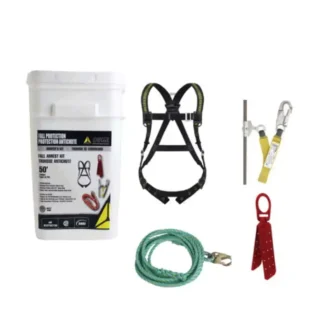
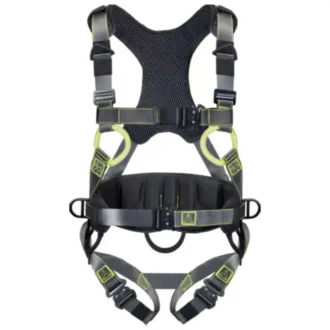
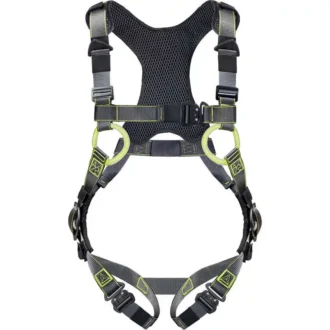
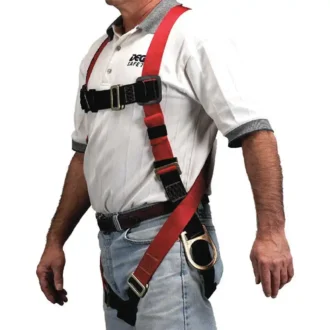
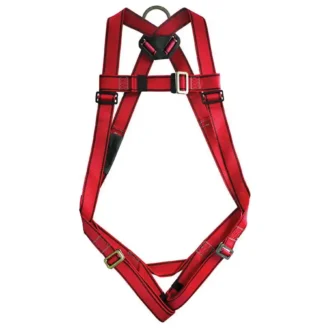
  2. Safety Harnesses: These are integral components of fall safety systems, worn around the torso and shoulders to distribute fall forces across the body in the event of a fall, reducing the risk of injury.
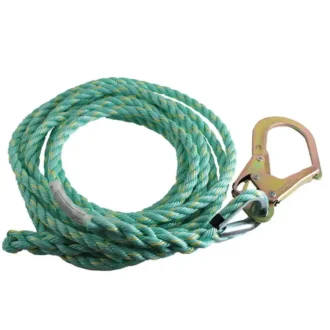
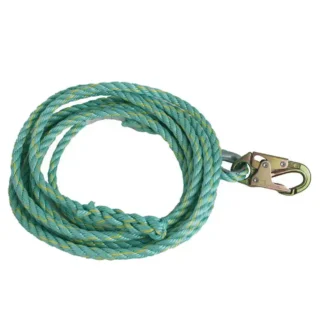
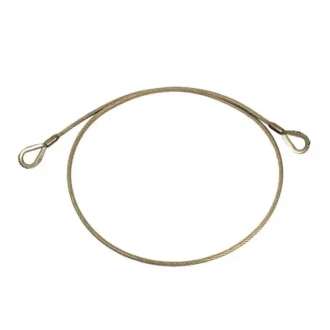
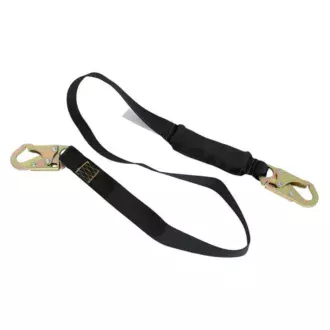
  3. Lanyards and Lifelines: Used to connect the safety harness to a secure anchorage point, lanyards and lifelines are essential for limiting the distance a worker can fall and for safely arresting a fall.
  4. Shock Absorption: Many systems incorporate shock-absorbing components in lanyards or lifelines to reduce the impact of a fall on the wearer’s body, minimizing injuries.
  5. Retractable Devices: Some protection systems feature retractable lifelines or devices that automatically retract unused lifeline, providing workers with more freedom of movement while maintaining safety.
  6. Compliance: Fall safety equipment complies with stringent safety standards and regulations such as those set by OSHA and ANSI, ensuring they meet minimum requirements for safety and performance.
  7. Inspection and Maintenance: Regular inspection and maintenance of equipment are essential to ensure it remains in optimal working condition and can perform effectively in case of a fall.
  8. Customization: Fall safety systems can be customized to suit specific work environments and requirements, including different types of anchorage points, harness sizes, and configurations to accommodate various job tasks and conditions.
  9. Integration with Other PPE: Fall safety equipment often integrates with other types of personal protective equipment such as helmets, gloves, and safety footwear to provide comprehensive protection for workers at heights.

Fall safety equipment plays a critical role in ensuring the safety of workers who perform tasks at elevated positions, preventing injuries and fatalities associated with falls. By incorporating advanced safety features and adhering to industry standards, fall protection systems help create a safer work environment and protect workers’ well-being in high-risk industries such as construction, maintenance, and telecommunications.

Fall Protection FAQ

What is fall protection?
Fall protection refers to the safety measures and equipment used to prevent falls from heights or to mitigate injuries if a fall occurs. It is crucial in industries where workers perform tasks at elevated levels, such as construction, roofing, and maintenance.
Why is fall protection important?
Fall safety is important because falls are one of the leading causes of workplace injuries and fatalities. Implementing fall protection measures helps protect workers' lives, reduces the risk of serious injuries, and ensures compliance with safety regulations.
What types of fall safety equipment are available?
Equipment includes harnesses, lanyards, anchor points, guardrails, safety nets, and self-retracting lifelines. Each type of equipment serves a specific purpose and is selected based on the job's requirements and the potential fall hazards.
How do I choose the right equipment?
To choose the right fall safety equipment, assess the work environment, identify potential fall hazards, and determine the necessary protection level. Consult safety standards and guidelines, and seek advice from safety professionals to ensure appropriate selection and use.
How often should fall safety equipment be inspected?
Fall protection equipment should be inspected before each use and undergo regular inspections by a competent person. The frequency of these inspections depends on the manufacturer's recommendations, the type of equipment, and the conditions under which it is used.
What training is required for using fall protection equipment?
Workers must receive comprehensive training in the proper use, inspection, and maintenance of fall protection equipment. Training should cover recognizing fall hazards, correctly donning harnesses, using lanyards and anchor points, and responding to fall incidents.