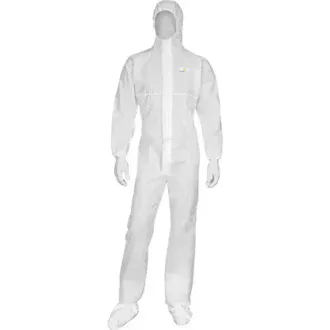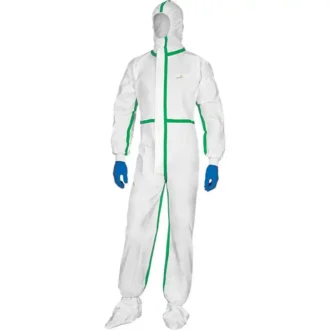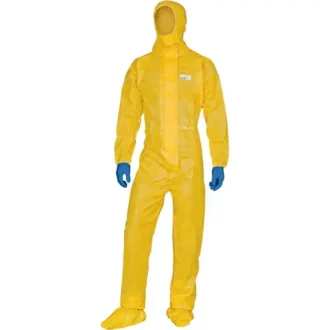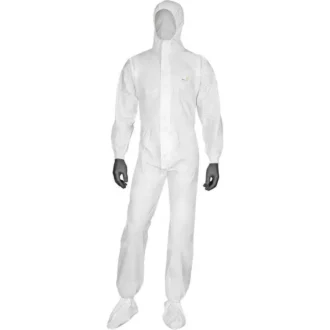
Protective Clothing   11 items

Filters

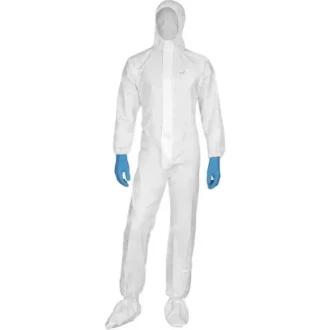
Protective clothing is essential gear designed to shield workers from various hazards in industrial, medical, and environmental settings. This specialized attire includes items such as coveralls, aprons, lab coats, and hazmat suits, each tailored to provide specific types of protection.

Key features of protective clothing include:

  1. Hazard Protection: Protective clothing is engineered to guard against a range of hazards including chemical splashes, biological contaminants, heat, flames, and mechanical risks, ensuring comprehensive safety for the wearer.
  2. Comfort and Fit: Designed with the wearer’s comfort in mind, protective clothing often features adjustable closures, elastic cuffs, and breathable fabrics to allow for ease of movement and long-term wear.
  3. Barrier Protection: Many types of protective clothing provide a barrier against hazardous substances, preventing skin contact and contamination. For example, hazmat suits offer full-body coverage to protect against toxic chemicals and biological agents.
  4. Regulatory Compliance: Protective clothing adheres to strict safety standards and regulations set by organizations like OSHA, ANSI, and NFPA, ensuring reliable performance and protection in hazardous environments.
  5. Disposable and Reusable Options: Depending on the level of exposure and type of hazard, protective clothing can be disposable for single-use applications or reusable for long-term use, offering flexibility and cost-effectiveness.
  6. Sealed Seams: For enhanced protection, many garments feature sealed seams to prevent penetration of liquids and particulates, ensuring no gaps in the protective barrier.
  7. Easy Maintenance: Reusable protective clothing is often designed for easy cleaning and maintenance, ensuring it remains effective over multiple uses while maintaining hygiene standards.

Protective clothing is a critical component of workplace safety, providing a necessary layer of defense against a variety of occupational hazards. By incorporating advanced materials and ergonomic designs, these garments ensure that workers remain protected without sacrificing comfort or mobility.

Protective Clothing FAQ

What is protective clothing?
Protective clothing refers to garments designed to protect the wearer from hazards such as chemicals, extreme temperatures, biological agents, and physical injuries. These clothes are essential for ensuring safety in various industrial, medical, and emergency response environments.
What types of protective clothing are available?
There are several types of protective clothing, including chemical-resistant suits, flame-resistant garments, high-visibility vests, medical gowns, and cut-resistant fabrics. Each type is designed to provide specific protections based on the anticipated risks.
How do I choose the right protective clothing?
To choose the right protective clothing, assess the specific hazards you will face, the required level of protection, comfort, and the garment's durability. Consult safety standards relevant to your industry and ensure the clothing meets these guidelines.
What standards should protective clothing meet?
Protective clothing should meet relevant safety standards such as OSHA, ANSI, or ISO, depending on the type of protection required. These standards ensure the clothing provides adequate protection and has been tested for specific hazards.
How do I maintain and care for protective clothing?
Maintain and care for protective clothing by following the manufacturer's instructions for cleaning and storage. Regularly inspect garments for wear and tear, and replace them if they become damaged. Proper care ensures the clothing remains effective and extends its lifespan.
Can protective clothing be reused?
Whether protective clothing can be reused depends on its design and the type of hazard it protects against. Some garments are disposable, intended for single-use, while others are durable and designed for multiple uses. Always follow the manufacturer's guidelines on reuse.
How do I know if my protective clothing is still effective?
You can determine if your protective clothing is still effective by regularly inspecting it for signs of damage, wear, and contamination. Follow the manufacturer’s guidelines for maintenance, and replace the garment if it shows any signs of reduced efficacy.