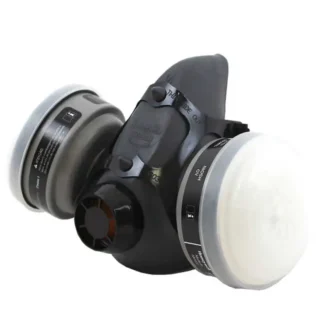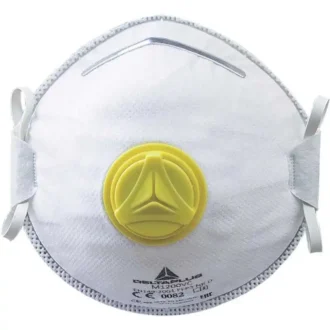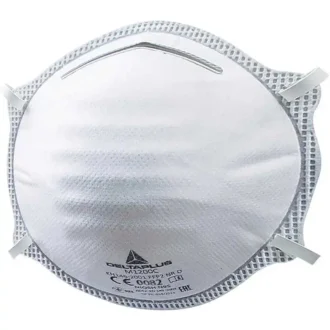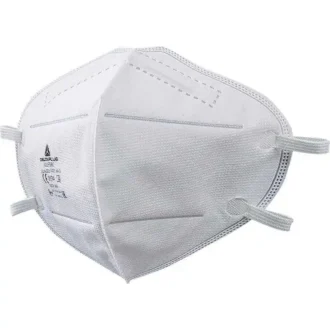
Respiratory protection   13 items

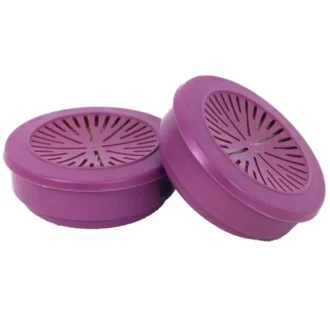
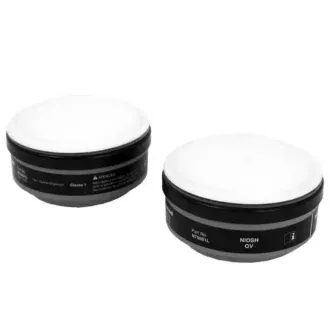
Filters

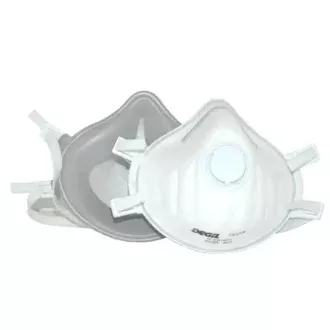
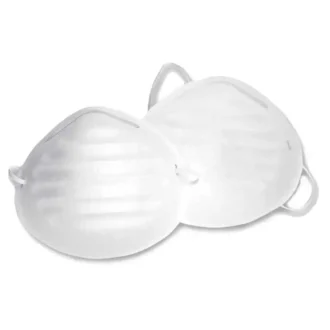
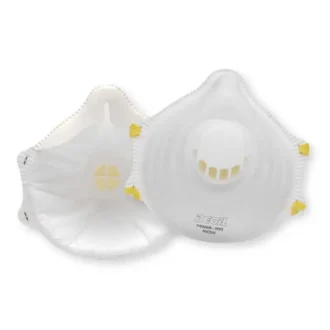
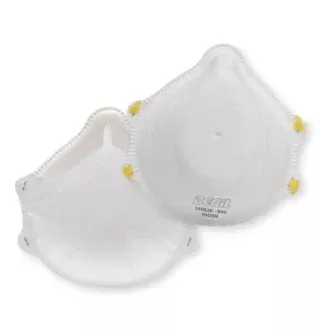
Respiratory protection equipment is designed to safeguard individuals from inhaling hazardous airborne substances in industrial, medical, and environmental settings. This category includes a variety of devices such as masks and respirators, each tailored to provide specific levels of protection against dust, fumes, vapors, and gases.

Key features of respiratory protection equipment include:

  1. Filtration Efficiency: Respiratory protection devices are equipped with high-efficiency filters that can capture and block harmful particles, ensuring that the air breathed in is free from contaminants. Options range from basic dust masks to advanced HEPA filters.
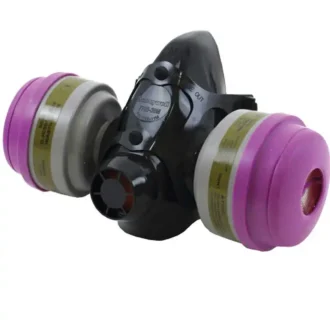
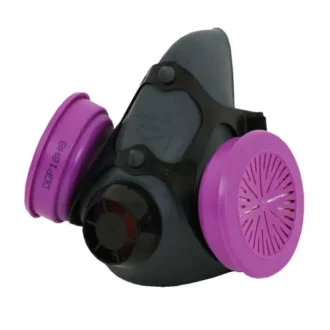
  2. Types of Respirators: There are several types of respirators available, including disposable masks, half-mask respirators, full-face respirators, and powered air-purifying respirators (PAPRs), each designed to address different levels of exposure and types of hazards.
  3. Comfort and Fit: Many respirators are designed with adjustable straps, cushioned seals, and ergonomic shapes to ensure a secure and comfortable fit, allowing for prolonged use without causing discomfort or fatigue.
  4. Breathability: Advanced respirators incorporate features that enhance breathability, reducing resistance and making it easier for the wearer to breathe naturally while maintaining protection.
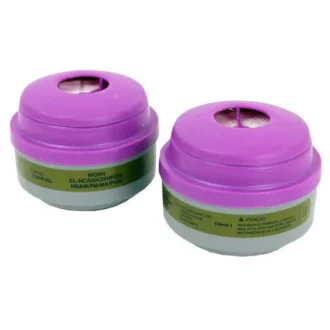
  5. Chemical Resistance: Certain respirators are designed to protect against chemical vapors and gases, featuring specialized cartridges and filters that neutralize harmful substances before they are inhaled.
  6. Full-Face Protection: Full-face respirators provide comprehensive protection for the eyes, nose, and mouth, shielding against particulates and splashes while offering a wide field of vision.
  7. Reusable and Disposable Options: Depending on the frequency and type of exposure, respiratory protection equipment can be either disposable for single-use applications or reusable with replaceable filters and cartridges.
  8. Regulatory Compliance: Respiratory protection equipment meets stringent safety standards and certifications from organizations such as OSHA, NIOSH, and EN, ensuring they provide effective protection in hazardous environments.
  9. Maintenance and Care: Reusable respirators are designed for easy cleaning and maintenance, with replaceable parts that ensure long-term effectiveness and hygiene.

Respiratory protection equipment is essential for maintaining the health and safety of individuals working in environments where airborne hazards are present. By incorporating advanced filtration technologies and ergonomic designs, these devices provide reliable protection without compromising comfort or usability.

Respiratory Protection FAQ

What is respiratory protection?
Respiratory protection refers to devices designed to protect the wearer from inhaling harmful substances such as dust, fumes, vapors, and gases. These devices include masks and respirators, which filter or supply clean air.
Why is respiratory protection important?
Respiratory protection is vital to prevent respiratory illnesses and injuries caused by exposure to hazardous substances. It ensures that workers can breathe safely in environments where air quality is compromised, reducing the risk of chronic health issues.
What types of respirators are available?
There are several types of respirators, including air-purifying respirators (APRs), powered air-purifying respirators (PAPRs), and supplied-air respirators (SARs). Each type serves different purposes, from filtering particulates to providing an external air supply.
How do I choose the right respirator?
Choose the right respirator by assessing the specific hazards in your environment, the required level of protection, and comfort. Ensure the respirator fits properly and meets the relevant safety standards for your industry.
How should I maintain my respirator?
Maintain your respirator by following the manufacturer's instructions for cleaning, inspecting, and storing. Regularly check for damage, replace filters as needed, and ensure a proper fit each time you use it.
Can I reuse disposable respirators?
Disposable respirators are designed for single use and should not be reused. Reusing them can compromise their effectiveness and put you at risk of inhaling harmful substances. Always follow the manufacturer's guidelines for disposal.
How often should I replace the filters in my respirator?
Replace the filters in your respirator according to the manufacturer's recommendations or when you notice breathing resistance, a noticeable odor, or filter damage. Regular replacement ensures optimal protection.
What is the difference between N95 and P100 respirators?
N95 respirators filter at least 95% of airborne particles and are not resistant to oil. P100 respirators provide a higher level of protection, filtering at least 99.97% of airborne particles, and are oil-proof. Choose based on the specific needs of your environment.
Can I wear a respirator with a beard?
Wearing a respirator with a beard can affect the seal and compromise the protection. For a proper fit, ensure your face is clean-shaven where the respirator seals against the skin. Some styles may accommodate minimal facial hair.