Welding   12 items

Filters

Welding is a critical fabrication process that joins materials, typically metals or thermoplastics, by causing fusion. Unlike other methods of joining, such as brazing or soldering, welding involves melting the base materials, often adding a filler material to form a strong joint as it cools. Welding is indispensable in various industries, including construction, automotive, aerospace, and manufacturing, due to its ability to create durable and reliable connections.

Key aspects of welding include:

  1. Types of Welding: There are several welding techniques, including MIG (Metal Inert Gas), TIG (Tungsten Inert Gas), Stick (Shielded Metal Arc), and Flux-Cored Arc Welding, each suited for specific materials and applications.
  2. Welding Equipment: Essential tools for welding include welding machines (power sources), electrodes or filler materials, protective gear such as helmets and gloves, and accessories like clamps and welding tables.
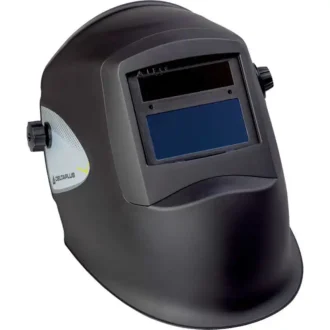
  3. Protective Gear: Safety is paramount in welding due to the risks of sparks, UV radiation, and toxic fumes. Welders use helmets with auto-darkening filters, flame-resistant clothing, gloves, and respirators to protect themselves.
  4. Applications: Welding is used in the construction of buildings, bridges, and pipelines, as well as in the automotive industry for manufacturing and repairing vehicles. It is also crucial in shipbuilding, aerospace, and the production of heavy machinery.
  5. Materials: Welding can join a wide range of materials, including carbon steel, stainless steel, aluminum, and other alloys. Different techniques and filler materials are chosen based on the properties of the base materials.
  6. Welding Processes: The process involves creating a weld pool of molten material and allowing it to cool and solidify. Factors such as welding speed, temperature, and the type of filler material affect the quality and properties of the weld.
  7. Advantages: Welding provides high-strength joints that are often as strong as the base materials. It is versatile, allowing for the construction of complex shapes and structures, and is essential for repair and maintenance operations.
  8. Skills and Training: Welding requires specialized training and skills. Welders must understand the properties of different materials, welding techniques, and safety protocols. Certification and ongoing training are often necessary to maintain high standards of workmanship.
  9. Innovation and Technology: Advances in welding technology, such as robotic welding and laser welding, have increased precision, efficiency, and safety in industrial applications. These innovations continue to expand the possibilities of what can be achieved with welding.
  10. Environmental and Health Considerations: Welding operations must consider ventilation and fume extraction to protect workers from hazardous fumes. Eco-friendly practices and materials are also being developed to reduce the environmental impact of welding activities.

Welding is an indispensable process that underpins modern manufacturing and construction, enabling the creation of robust, long-lasting structures and products. With its wide range of techniques and applications, welding remains a vital skill and technology in numerous industries worldwide.

Welding FAQ

What is welding?
Welding is a fabrication process that joins materials, usually metals or thermoplastics, by causing fusion. It involves melting the base materials and adding a filler material to form a strong joint once cooled.
What are the common types of welding?
Common types of welding include MIG (Metal Inert Gas) welding, TIG (Tungsten Inert Gas) welding, Stick welding (Shielded Metal Arc Welding), and Flux-cored Arc Welding. Each method has specific applications and benefits.
What safety equipment do I need for welding?
For welding, you need safety equipment like a welding helmet with a proper shade, fire-resistant gloves, protective clothing, safety goggles, and a respirator if welding in an area with poor ventilation to protect against fumes.
Why is proper ventilation important in welding?
Proper ventilation is crucial because welding produces fumes and gases that can be harmful if inhaled. Good ventilation helps remove these contaminants from the air, reducing the risk of respiratory issues and other health problems.
Can I weld different types of metals together?
Yes, you can weld different types of metals together, but it requires knowledge of the properties of each metal and the appropriate welding technique. Some combinations may require special filler materials and pre-treatment.
How do I choose the right welding technique for my project?
To choose the right welding technique, consider the materials you're working with, the thickness of the metals, the desired strength of the weld, and your skill level. For instance, MIG welding is great for beginners and thin metals, while TIG welding offers precision for thinner and non-ferrous metals.
What are welding electrodes and their types?
Welding electrodes are conductive metal rods used to generate the arc and fill the weld. They come in various types such as consumable (used in MIG and Stick welding) and non-consumable (used in TIG welding). Each type is suited for specific welding tasks and materials.
How can I prevent welding defects?
To prevent welding defects, ensure clean surfaces, use the correct welding technique and parameters, maintain consistent travel speed and angle, and inspect your equipment regularly. Proper training and practice also play a vital role in reducing defects.
What is the purpose of shielding gas in welding?
Shielding gas protects the weld pool from contamination by atmospheric gases such as oxygen, nitrogen, and hydrogen. It helps produce cleaner and stronger welds. Common shielding gases include argon, carbon dioxide, and helium, used either pure or in mixtures.
Can I learn welding on my own?
Yes, you can learn welding on your own with the help of online tutorials, books, and practice. However, formal training through classes or apprenticeships can provide hands-on experience and professional guidance, accelerating your learning process and ensuring safety.