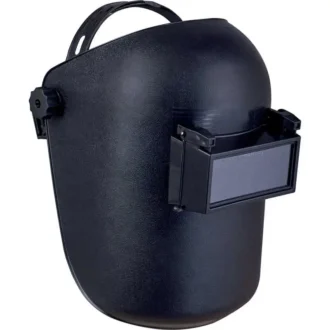

Welding helmets   6 items

Filters

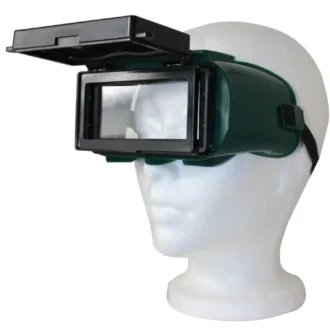
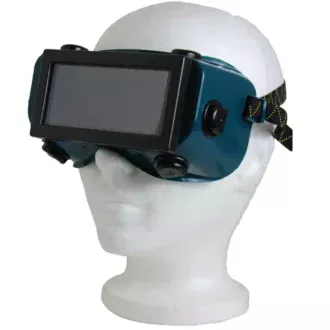
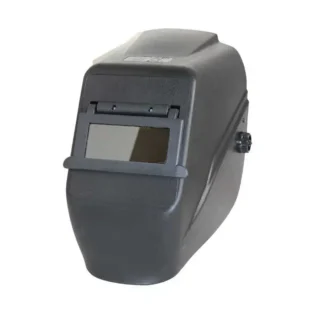
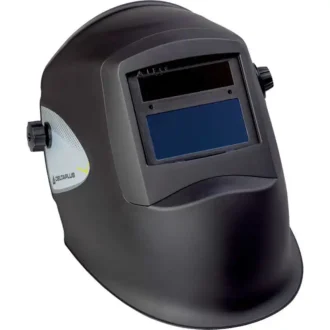
Welding helmets are essential protective gear for welders, designed to shield the face and eyes from intense light, sparks, and hazardous UV and infrared radiation generated during welding processes. These helmets are a critical component of welding safety, ensuring that welders can work efficiently while minimizing the risk of burns, eye damage, and other injuries.

Key features of welding helmets include:

  1. Auto-Darkening Filters: Modern welding helmets often come with auto-darkening lenses that automatically adjust to the brightness of the welding arc, providing optimal visibility and protection without the need to lift and lower the helmet constantly.
  2. High-Impact Resistance: Constructed from durable materials like thermoplastics and fiberglass, welding helmets offer high-impact resistance to protect the face from flying debris and sparks.
  3. Adjustable Fit: Many helmets feature adjustable headbands and ratcheting systems, allowing for a secure and comfortable fit that can be customized to the individual welder’s head size and shape.
  4. Wide Viewing Area: To enhance visibility and accuracy, welding helmets are designed with large viewing areas, ensuring welders can see their work clearly without obstruction.
  5. Lightweight Design: Lightweight helmets reduce neck strain and fatigue, making them comfortable to wear for extended periods, which is particularly beneficial during long welding sessions.
  6. Versatility: Some welding helmets are designed for multiple processes, including MIG, TIG, and Stick welding, providing versatility for welders who work with different techniques and materials.
  7. Shade Control: Helmets with variable shade control allow welders to adjust the darkness level of the lens according to the welding process and the brightness of the arc, ensuring the right amount of protection for different tasks.
  8. Enhanced Safety Standards: Welding helmets meet stringent safety standards, such as ANSI Z87.1 and EN379, ensuring reliable protection against the hazards associated with welding.
  9. Customizable Designs: Welding helmets come in a variety of designs, colors, and graphics, allowing welders to express their personal style while maintaining safety standards.

Welding helmets are a crucial part of a welder’s toolkit, offering advanced features and robust protection to ensure safety and efficiency in the workplace. By combining cutting-edge technology with ergonomic design, these helmets help welders perform their tasks with confidence and precision.

Welding Helmets FAQ

What is the purpose of a welding helmet?
A welding helmet protects your eyes, face, and neck from sparks, heat, and harmful radiation emitted during the welding process. It ensures you can work safely without risking eye damage or burns.
What types of welding helmets are available?
Welding helmets come in several types, including passive helmets with fixed shade lenses and auto-darkening helmets with adjustable shade lenses. Auto-darkening helmets automatically adjust the lens shade based on the brightness of the welding arc.
How does an auto-darkening welding helmet work?
An auto-darkening helmet has sensors that detect the brightness of the welding arc. When you start welding, the sensors trigger the lens to darken to a pre-set shade, protecting your eyes. Once you stop welding, the lens returns to its original state, allowing clear vision.
Why is lens shade important in welding helmets?
The lens shade is crucial because it protects your eyes from the intense light and radiation produced during welding. A properly shaded lens reduces eye strain and prevents injuries like arc eye or welder's flash, which can cause temporary or permanent vision impairment.
What features should I look for in a welding helmet?
When choosing a welding helmet, consider features like adjustable shade settings, a comfortable headgear, lightweight design, a wide viewing area, and sensitivity and delay controls for auto-darkening helmets. These features enhance safety, comfort, and productivity.
How do I maintain my welding helmet?
To maintain your welding helmet, regularly clean the lens with a soft cloth and mild detergent, inspect the headgear for wear and tear, and replace any damaged parts. Store the helmet in a cool, dry place when not in use to prevent damage.
Are there welding helmets designed for specific types of welding?
Yes, some welding helmets are designed for specific welding processes. For example, helmets for TIG welding often have higher sensitivity settings, while those for MIG and Stick welding may offer more robust protection against spatter and sparks.
Can I use a welding helmet for other tasks?
While primarily designed for welding, some helmets can also be used for cutting and grinding tasks, provided they offer adequate protection. However, it's essential to check the manufacturer's recommendations to ensure the helmet meets safety standards for other applications.
What are the safety standards for welding helmets?
Welding helmets should comply with safety standards like ANSI Z87.1 in the United States, which specifies requirements for impact resistance, optical clarity, and protection from UV and IR radiation. Ensure your helmet meets these standards for reliable protection.
Can welding helmets be customized for better fit and comfort?
Yes, many welding helmets come with adjustable headgear and padding that you can customize for a better fit. Proper adjustment ensures the helmet sits securely and comfortably, reducing fatigue during long welding sessions.