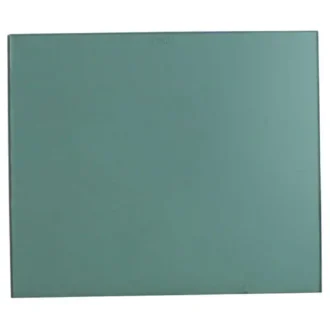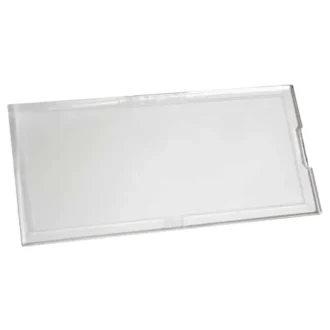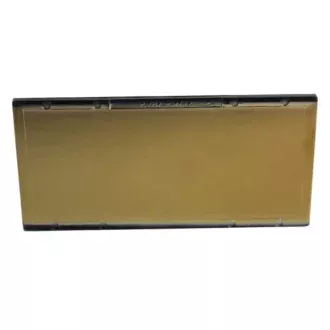

Welding lenses   6 items

Filters

Welding lenses are specialized optical components used in welding helmets to protect the welder’s eyes from harmful radiation and provide clear visibility of the welding area. These lenses are a vital part of welding safety, ensuring that welders can work efficiently while safeguarding their vision from the intense light and heat produced during welding processes.

Key features of welding lenses include:

  1. Auto-Darkening Technology: Many modern welding lenses are equipped with auto-darkening technology, which automatically adjusts the lens shade based on the brightness of the welding arc, providing seamless protection and improved visibility without the need for manual adjustments.
  2. Variable Shade Levels: Welding lenses offer a range of shade levels, allowing welders to customize the darkness of the lens to suit different welding processes and intensities, from light-duty TIG welding to heavy-duty Stick welding.
  3. High Optical Clarity: Quality welding lenses provide high optical clarity, ensuring that welders have a clear, unobstructed view of their work, which is essential for precision and accuracy.
  4. UV and IR Protection: Welding lenses are designed to block 99.9% of harmful ultraviolet (UV) and infrared (IR) radiation, protecting the welder’s eyes from potential damage and long-term health risks.
  5. Impact Resistance: Made from durable materials like polycarbonate, welding lenses are built to withstand impacts and protect against flying debris, sparks, and spatter.
  6. Consistent Performance: Advanced welding lenses maintain consistent performance across a range of temperatures and lighting conditions, ensuring reliable protection and visibility in various working environments.
  7. Anti-Fog and Anti-Scratch Coatings: Many lenses come with anti-fog and anti-scratch coatings to enhance durability and ensure clear vision even in challenging conditions.
  8. Lightweight and Comfortable: Designed to be lightweight, welding lenses contribute to the overall comfort of the welding helmet, reducing strain on the neck and head during prolonged use.
  9. Quick Response Time: Auto-darkening welding lenses have fast switching speeds, quickly adjusting from light to dark states and back, ensuring that the welder’s eyes are protected from sudden flashes of light.
  10. Versatile Applications: Suitable for use in a variety of welding processes, including MIG, TIG, Stick, and plasma cutting, welding lenses offer versatility and adaptability for different tasks.
  11. Customization and Upgrades: Welding lenses can be easily replaced or upgraded in most welding helmets, allowing welders to adapt their equipment to new challenges or technologies.

Welding lenses are crucial components that enhance the functionality and safety of welding helmets, providing essential eye protection and clear visibility. With advanced features and durable construction, these lenses help welders perform their tasks with confidence and precision, ensuring both safety and efficiency in their work.

Welding Lenses FAQ

What are welding lenses used for?
Welding lenses protect your eyes from harmful radiation, sparks, and intense light emitted during welding. They provide a clear view of the welding area while shielding your eyes from potential damage.
What types of welding lenses are available?
Welding lenses come in several types, including passive lenses with a fixed shade, auto-darkening lenses that adjust shade automatically, and magnifying lenses to enhance visibility of fine details during welding.
How do auto-darkening welding lenses work?
Auto-darkening lenses have sensors that detect the brightness of the welding arc. They automatically adjust the shade to protect your eyes when you start welding and revert to a lighter shade when you stop, ensuring continuous eye protection.
Why is shade selection important for welding lenses?
Selecting the correct lens shade is crucial because it ensures adequate protection against harmful radiation and glare. Using the appropriate shade reduces eye strain and prevents injuries like arc eye, which can cause pain and vision problems.
What are the recommended lens shades for different welding tasks?
The recommended lens shade varies based on the welding process and the amperage used. For example, shade 9-13 is common for most welding tasks, while lower shades like 5-8 are suitable for cutting and brazing.
Can I replace the lenses in my welding helmet?
Yes, most welding helmets allow for lens replacement. You can swap out damaged or worn lenses to maintain optimal visibility and protection. Always follow the manufacturer’s instructions when replacing lenses.
How do I clean and maintain welding lenses?
Clean welding lenses with a soft, lint-free cloth and a mild lens cleaner. Avoid using abrasive materials or harsh chemicals. Regular maintenance ensures clear vision and prolongs the life of your lenses.
What features should I look for in welding lenses?
When choosing welding lenses, consider features like UV and IR protection, variable shade options, clarity, and response time for auto-darkening lenses. These features enhance safety and performance during welding.
Are there welding lenses suitable for specific welding processes?
Yes, certain welding lenses are designed for specific processes. For instance, lenses with higher sensitivity settings are ideal for TIG welding, while more robust lenses are suitable for MIG and Stick welding, which produce more spatter and glare.
Can welding lenses protect against other hazards?
Welding lenses primarily protect against radiation and glare but can also offer limited protection against sparks and debris. However, for comprehensive protection, use additional safety equipment like face shields and safety glasses.