
Impact Resistant Gloves   5 items

Filters

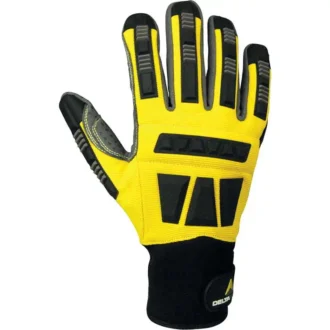
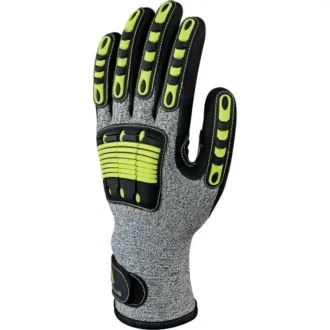
Impact Resistant Gloves are essential safety gear designed to protect hands from blunt force trauma, vibrations, and other impacts in demanding work environments. These gloves are vital for industries such as construction, mining, oil and gas, and heavy machinery operation, where hand injuries from impacts and crushes are common.

Key features of Impact Resistant Gloves include:

  1. Advanced Protection: Equipped with reinforced areas, such as thermoplastic rubber (TPR) or thermoplastic elastomer (TPE) pads on the knuckles, fingers, and back of the hand, these gloves provide robust defense against impacts and abrasions.
  2. Enhanced Grip: Many impact resistant gloves feature textured palms or specialized coatings (such as nitrile or polyurethane) to ensure a secure grip, even in wet or oily conditions, improving safety and control.
  3. Vibration Dampening: Designed to absorb and dissipate vibrations, these gloves help reduce hand fatigue and the risk of hand-arm vibration syndrome (HAVS) for workers using power tools and heavy machinery.
  4. Comfort and Dexterity: Despite their rugged construction, these gloves offer flexibility and comfort. Ergonomic designs and breathable materials ensure that workers can perform tasks with ease and precision without compromising protection.
  5. Cut and Abrasion Resistance: In addition to impact protection, these gloves often provide high levels of cut and abrasion resistance, making them suitable for handling sharp tools and materials.
  6. Compliance with Safety Standards: Impact resistant gloves meet stringent industry safety standards (such as ANSI/ISEA or EN 388), guaranteeing reliable protection and performance in professional settings.
  7. Versatile Applications: Ideal for a variety of tasks, including heavy lifting, equipment handling, demolition work, and maintenance, these gloves offer versatile protection for a wide range of industrial applications.

Impact Resistant Gloves are a critical component of personal protective equipment, combining advanced technology and robust materials to protect hands from impacts and injuries. By offering superior defense against various hazards, these gloves help ensure the safety and productivity of workers in challenging environments.

Impact-resistant gloves help protect your hands from strong forces and collisions, reducing the risk of injuries while handling heavy or sharp objects.

You may also like:

Impact Resistant Gloves FAQ

What are impact resistant gloves?
Impact resistant gloves are designed to protect your hands from heavy blows, vibrations, and other high-impact hazards. They typically feature reinforced areas on the knuckles and fingers to absorb and dissipate shock.
Who should use impact resistant gloves?
Anyone working in environments where hand impacts are common should use these gloves. This includes construction workers, mechanics, oil and gas industry workers, and those in heavy manufacturing.
Are impact resistant gloves comfortable?
Yes, manufacturers design these gloves to be both protective and comfortable. They often include features like breathable fabrics, ergonomic fits, and flexible materials to ensure comfort during extended use.
What materials are used in impact resistant gloves?
Common materials include thermoplastic rubber (TPR) for impact protection, high-performance fibers for cut resistance, and synthetic leather or reinforced fabrics for durability and grip.
How do I choose the right impact resistant gloves?
Consider the specific hazards in your work environment. Look for gloves that offer the right balance of impact protection, cut resistance, and comfort. Check for industry standards and certifications to ensure quality.
Can impact resistant gloves protect against other hazards?
While primarily designed for impact protection, many of these gloves also offer additional features like cut resistance, puncture resistance, and enhanced grip, providing comprehensive hand protection.
How should I maintain my impact resistant gloves?
Follow the manufacturer's care instructions. Generally, you should clean them regularly with mild soap and water, avoiding harsh chemicals. Inspect them frequently for signs of wear and damage, and replace them if necessary.