Valve Lockouts   17 items

Filters

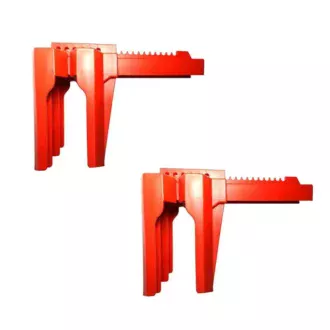
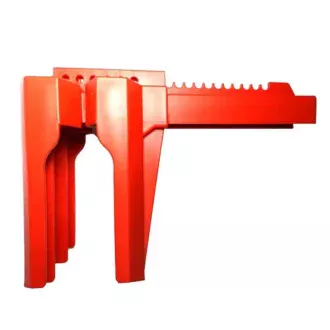
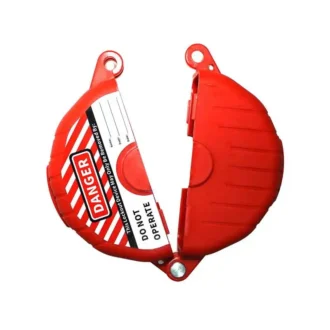
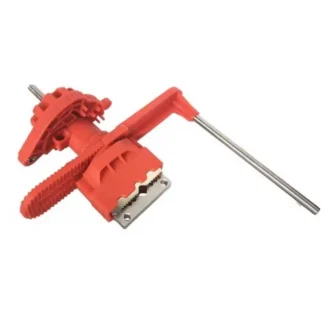
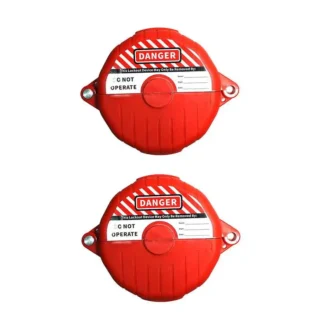
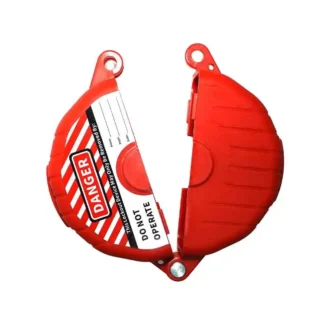
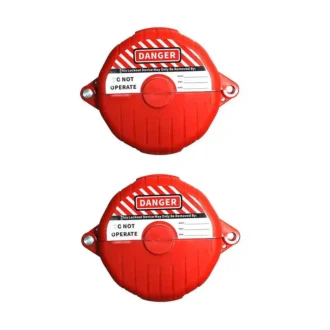
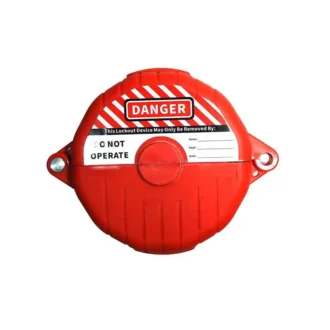
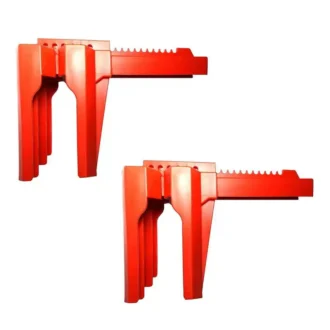
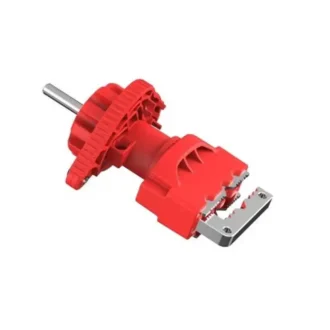
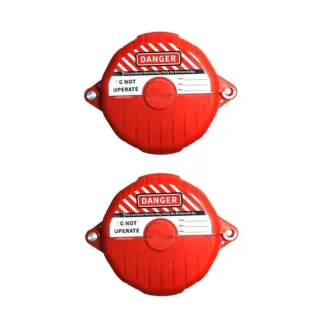
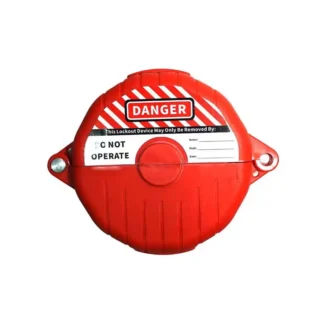
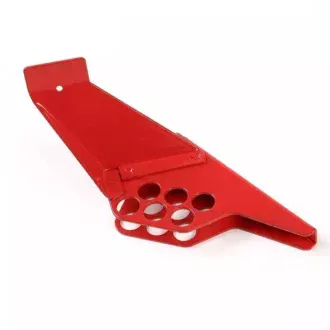
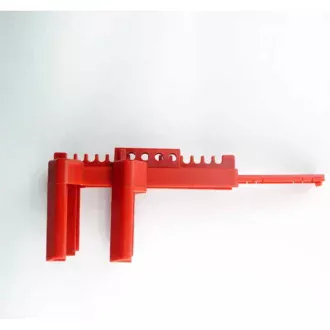
Valve lockouts are specialized devices used to securely lock valves in either the open or closed position during maintenance, repair, or cleaning procedures. These lockout devices are crucial for preventing accidental operation of valves, ensuring worker safety, and complying with lockout/tagout regulations.

Key features of valve lockouts include:

  1. Adjustable Design: Featuring adjustable components, valve lockouts accommodate a wide range of valve sizes and types, including ball valves, gate valves, and butterfly valves, ensuring versatility in application.
  2. Secure Locking Mechanism: Equipped with robust locking mechanisms such as padlocks, hasps, or integral lockouts, these devices prevent unauthorized access and ensure valves remain in a locked position.
  3. Durable Construction: Constructed from durable materials such as rugged polypropylene or stainless steel, valve lockouts withstand harsh industrial environments, including chemicals, moisture, and extreme temperatures.
  4. Tool-Free Installation: Designed for easy installation without the need for additional tools, valve lockouts facilitate quick and efficient lockout procedures, minimizing downtime during maintenance activities.
  5. Visual Safety: Available in bright, highly visible colors such as red, yellow, or orange, valve lockouts enhance visibility and serve as a visual reminder of the locked-out status, promoting workplace safety.
  6. Compliance: Meeting OSHA and ANSI standards for lockout/tagout procedures, valve lockouts ensure compliance with regulatory requirements, helping to maintain a safe working environment.
  7. Tamper-Resistant Features: Engineered to resist tampering and unauthorized removal, valve lockouts provide enhanced security and prevent accidental or intentional valve operation.
  8. Customizable Options: Offering various sizes and configurations, valve lockouts accommodate different valve handles and stems, providing flexibility for diverse industrial applications.
  9. Universal Compatibility: Designed to fit most standard valve types and sizes commonly found in industrial settings, these lockouts offer universal compatibility and ease of use across different facilities.
  10. Long-Term Durability: Engineered for long-term use and repeated application, valve lockouts offer reliable performance and durability, contributing to cost-effective safety solutions in industrial environments.

Valve lockouts are indispensable tools for ensuring the safety of personnel working with valves in industrial facilities. Their robust construction, ease of use, and compliance with safety standards make them essential for implementing effective lockout/tagout procedures and maintaining a safe workplace environment.

Valve Lockouts FAQ

What are valve lockouts used for?
Valve lockouts are devices used to secure valves in the off or closed position during maintenance, repair, or servicing. They prevent unauthorized operation of valves and ensure compliance with lockout/tagout procedures.
How do valve lockouts enhance workplace safety?
Valve lockouts help to prevent accidental valve activation, which could lead to hazardous situations such as chemical spills, equipment damage, or injury. They provide a visual indication that a valve is being serviced and should not be operated.
What types of valves can be locked out with valve lockouts?
Valve lockouts are designed to fit various types of valves, including ball valves, gate valves, butterfly valves, and plug valves. They come in different sizes and configurations to accommodate different valve designs and sizes.
Are valve lockouts reusable?
Yes, many valve lockouts are reusable. They are typically made from durable materials such as rugged plastics or metals that can withstand repeated use and exposure to industrial environments. Proper maintenance and inspection ensure their continued effectiveness.
How should valve lockouts be installed?
Valve lockouts should be installed by following manufacturer instructions and ensuring a secure fit around the valve handle or lever. They often feature adjustable designs or built-in devices to accommodate different valve configurations and sizes.