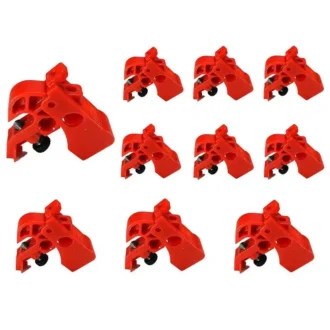

Electrical Lockout   50 items

Filters

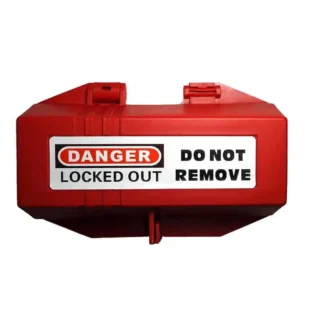
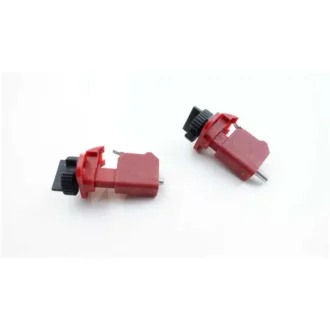
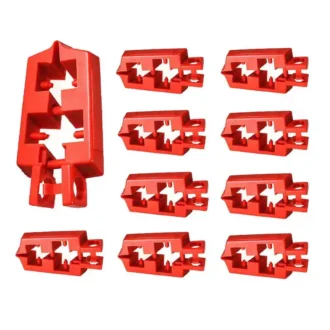
Electrical lockouts are critical safety devices designed to prevent accidental energization of electrical equipment during maintenance or repair. These devices isolate electrical energy sources, ensuring that machinery and circuits remain deactivated until work is safely completed.

Key features of electrical lockouts include:

  1. Enhanced Safety: Electrical lockouts provide a secure method to isolate electrical circuits, protecting workers from electric shock and equipment from accidental startup.
  2. Wide Range of Applications: Suitable for use on circuit breakers, switches, plugs, and other electrical disconnects, ensuring comprehensive lockout solutions for various electrical systems.
  3. Durable Construction: Made from high-quality, non-conductive materials, these lockouts withstand tough industrial environments and resist tampering and wear.
  4. Clear Visibility: Bright colors and clear labeling improve visibility and communicate the lockout status, ensuring that equipment is not re-energized until it is safe to do so.
  5. Versatile Design: Compatible with various lock types and sizes, including padlocks and hasps, providing flexibility in securing different types of electrical devices.
  6. Ease of Use: Designed for quick and easy application and removal, these lockouts streamline the lockout/tagout process, reducing downtime and enhancing efficiency.
  7. Compliance with Standards: Meets or exceeds OSHA and other regulatory requirements for lockout/tagout procedures, ensuring legal compliance and promoting workplace safety.
  8. Multiple Lock Capability: Many electrical lockout devices can accommodate multiple padlocks, allowing several workers to apply their personal locks, ensuring that each worker maintains control over the energy isolation.
  9. Tamper-Resistant Features: Engineered to resist tampering and unauthorized removal, providing reliable and secure isolation of electrical energy sources.
  10. Portable and Lightweight: Compact and easy to carry, these lockouts can be quickly deployed to different locations within a facility, ensuring they are always available when needed.
  11. Comprehensive Kits: Available as part of lockout/tagout kits, which include various devices for different applications, ensuring that all necessary tools are at hand for effective electrical isolation.
  12. Customizable Options: Offers a range of customizable features, such as different sizes and locking mechanisms, to fit specific needs and preferences of different industries.

Electrical lockouts are essential for maintaining a safe work environment by effectively isolating electrical energy sources during maintenance and repair. Their robust construction, compliance with safety standards, and ease of use make them a vital component of any lockout/tagout program, ensuring protection against accidental energization and enhancing overall safety.

Electrical Lockout FAQ

What is electrical lockout?
Electrical lockout is a safety procedure used to ensure that electrical energy sources are properly isolated and cannot be accidentally activated during maintenance or repair work. This prevents electrical accidents and ensures worker safety.
Why is electrical lockout important?
Electrical lockout is crucial because it prevents the accidental energization of electrical circuits, which can lead to serious injuries or fatalities. It also protects equipment from damage and ensures compliance with safety regulations.
What are the common types of electrical lockout devices?
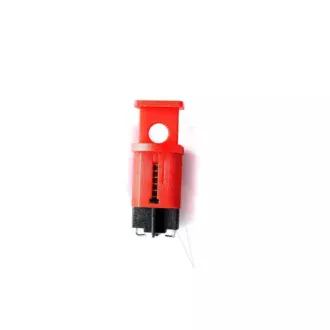
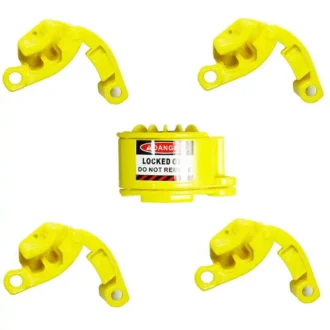
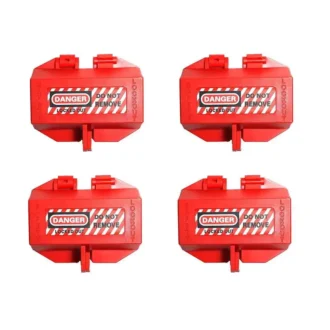
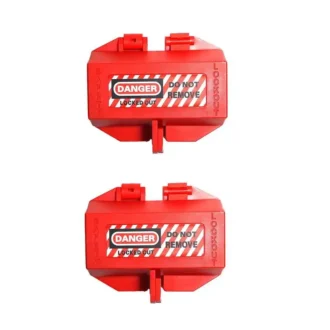
Common types of electrical lockout devices include circuit breaker lockouts, plug lockouts, switch lockouts, and electrical panel lockouts. These devices physically prevent the operation of electrical controls.
How do you implement an electrical lockout procedure?
To implement an electrical lockout procedure, identify all energy sources, isolate them by turning off the switches or disconnecting power, apply lockout devices to prevent reactivation, and verify that the energy sources are completely de-energized.
Who is responsible for performing electrical lockout?
All personnel involved in maintenance or repair work must perform electrical lockout. Employers are responsible for providing adequate training and ensuring that employees follow the correct lockout procedures.
Can electrical lockout devices be reused?
Yes, electrical lockout devices like circuit breaker lockouts and plug lockouts are reusable as long as they are in good condition and function properly. Tags, however, are typically single-use items.
What should be included in an electrical lockout kit?
An electrical lockout kit should include various lockout devices such as circuit breaker lockouts, plug lockouts, and switch lockouts, along with safety tags and padlocks. It should also include a procedure manual for reference.
Are there regulations for electrical lockout?
Yes, electrical lockout procedures are regulated by standards such as OSHA's 29 CFR 1910.147 in the United States, which mandates the control of hazardous energy during maintenance and servicing activities.
How often should electrical lockout training be conducted?
Electrical lockout training should be conducted initially when employees start their role and then periodically, typically annually. Additional training should be provided whenever there are changes in equipment, processes, or the lockout program.